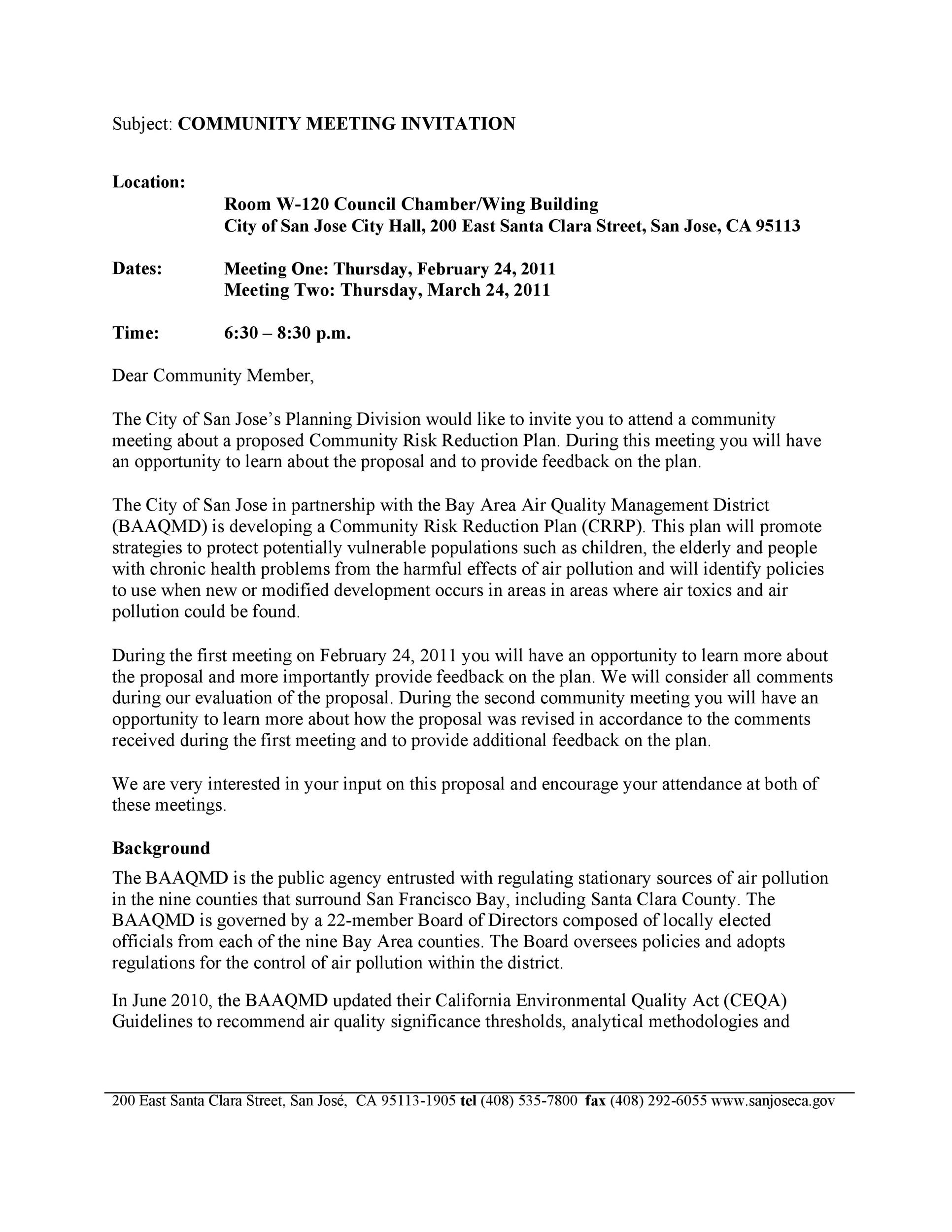
The efficient and organized management of meetings is crucial for any successful business. A well-structured request template ensures that meetings are productive, focused, and ultimately contribute to achieving organizational goals. This article will delve into creating a robust business meeting request template, covering everything from essential elements to best practices for delivery and follow-up. Business Meeting Request Template is the cornerstone of effective communication and project coordination within your organization. It's more than just a document; it's a tool for streamlining processes and ensuring everyone is aligned on objectives. Let's explore how to build a template that works for your team.
Understanding the Importance of Meeting Requests
Before diving into the specifics of the template, it's vital to understand why these requests are so important. Poorly planned meetings can waste valuable time, resources, and morale. A clear and concise request template minimizes confusion, reduces the need for redundant discussions, and ultimately leads to more impactful outcomes. It establishes a clear understanding of the meeting's purpose, attendees, and desired outcomes, setting the stage for a productive session. Furthermore, a standardized request process improves accountability and ensures that everyone is contributing to the same goals. Without a structured approach, meetings can easily become disorganized and unproductive, hindering progress. Investing time in creating a solid template is an investment in your team's efficiency and overall success.
Core Elements of a Business Meeting Request Template
A comprehensive business meeting request template should include several key elements. These elements provide a foundation for a clear and focused discussion. Here's a breakdown of the essential components:
- Meeting Purpose: Clearly state the objective of the meeting. What problem are you trying to solve? What decision needs to be made? This is arguably the most important element.
- Attendees: List all individuals who must be present. Include their titles and, if possible, their contact information.
- Date & Time: Specify the exact date and time of the meeting. Consider offering multiple time slots if necessary.
- Duration: Indicate the expected duration of the meeting (e.g., 30 minutes, 1 hour).
- Location: Specify the physical location (or virtual meeting link).
- Agenda: A detailed agenda outlining the topics to be discussed. This is critical for keeping the meeting on track.
- Desired Outcomes: What specific actions or decisions need to be taken as a result of the meeting?
- Pre-Reading Materials: If there are any documents or data that attendees should review before the meeting, list them here.
- Attachments: Mention any attachments that attendees should bring or review.
Building a Template – Detailed Sections
Let's examine each of these elements in more detail, illustrating how to create a template that's both effective and user-friendly.
1. Meeting Purpose – Defining the "Why"
The purpose section is the foundation of your request. It's crucial to articulate why this meeting is necessary. A vague purpose will lead to a less focused discussion. Instead of simply saying "to discuss project updates," consider something like: "To review the progress of the Alpha Project, identify any roadblocks, and determine the next steps for Phase 1 implementation." A well-defined purpose provides context and helps attendees understand the meeting's relevance.
2. Attendees – Who Should Be There?
Accurately listing attendees is essential. Don't just include names; consider adding their roles and responsibilities. For example, include a note about the individual's expertise in the relevant area. Consider adding a "Decision Maker" designation if the meeting requires a specific person to approve a decision. A poorly populated attendee list can lead to confusion and wasted time.
3. Date & Time – Scheduling Success
The date and time should be mutually convenient for all attendees. Consider time zones if your team is distributed geographically. Offering multiple time slots can accommodate different schedules. Clearly stating the time zone is also helpful.
4. Duration – Staying on Track
Be realistic about the meeting's duration. It's better to schedule a shorter meeting that gets straight to the point than to extend it unnecessarily. Clearly state the expected duration to manage expectations.
5. Location – Physical or Virtual?
Decide whether the meeting will be held in person or virtually. If virtual, provide the meeting link and ensure all attendees have access to the necessary technology. For virtual meetings, consider using a platform like Zoom or Microsoft Teams to facilitate communication and collaboration.
6. Agenda – The Roadmap to Success
The agenda is arguably the most important section. It should be a detailed list of topics to be discussed, with estimated time allocations for each. Prioritize the most important topics and ensure they are addressed within the allotted time. A clear agenda helps keep the meeting focused and ensures that all necessary information is covered. Consider using a template with time slots for each item.
7. Desired Outcomes – What Do We Want to Achieve?
This section explicitly states the desired outcomes of the meeting. What decisions need to be made? What actions need to be taken? Having clear outcomes provides a measurable goal for the meeting. For example, "To approve the budget for Phase 1" or "To assign responsibilities for the next steps."
8. Pre-Reading Materials – Supporting the Discussion
If there are any documents or data that attendees should review before the meeting, list them here. This ensures that everyone is prepared and can contribute effectively. Providing pre-reading materials demonstrates professionalism and saves time.
9. Attachments – Supporting the Discussion
Mention any attachments that attendees should bring or review. This could include reports, presentations, or data sets.
Conclusion – The Power of a Well-Structured Request
Creating a robust business meeting request template is a significant investment in your team's productivity and efficiency. By carefully considering each element and tailoring the template to your specific needs, you can streamline communication, minimize confusion, and ensure that meetings are truly valuable. Remember that a well-crafted template is not a static document; it should be reviewed and updated regularly to reflect evolving business needs. Ultimately, a consistent and effective request process will contribute to improved collaboration, better decision-making, and greater overall success. Business Meeting Request Template is a fundamental tool for achieving these goals.
0 Response to "Business Meeting Request Template"
Posting Komentar