-Oa954qbx2QA.jpg)
Creating accurate and timely invoices is crucial for maintaining strong relationships with your contractors and ensuring smooth financial operations. A well-structured Contract Labor Invoice Template provides a clear and efficient way to document payments, track labor costs, and streamline the invoicing process. This article will delve into the essential elements of a robust Contract Labor Invoice Template, offering practical guidance and best practices for businesses of all sizes. Contract Labor Invoice Template is more than just a document; it's a vital tool for fostering transparency and accountability within your contracting relationships. Understanding how to create and utilize a professional template can significantly reduce errors, improve cash flow, and ultimately, enhance your business's profitability. Let's explore how to build a template that works for you.
Understanding the Importance of a Contract Labor Invoice Template
The benefits of implementing a standardized Contract Labor Invoice Template extend far beyond simply generating paperwork. It's a strategic investment that promotes efficiency, reduces administrative burden, and minimizes the risk of disputes. When contractors receive invoices promptly and accurately, they are more likely to remain engaged and committed to your business. Furthermore, a consistent template ensures that all invoices are created using the same format, making it easier to track labor costs and generate reports. For businesses that rely heavily on contractor services, a well-designed template can be the difference between a successful partnership and a costly conflict. The ability to quickly and easily access invoice data streamlines the entire process, from initial contract negotiation to final payment. Without a clear and organized system, managing labor costs can become a chaotic and time-consuming endeavor.
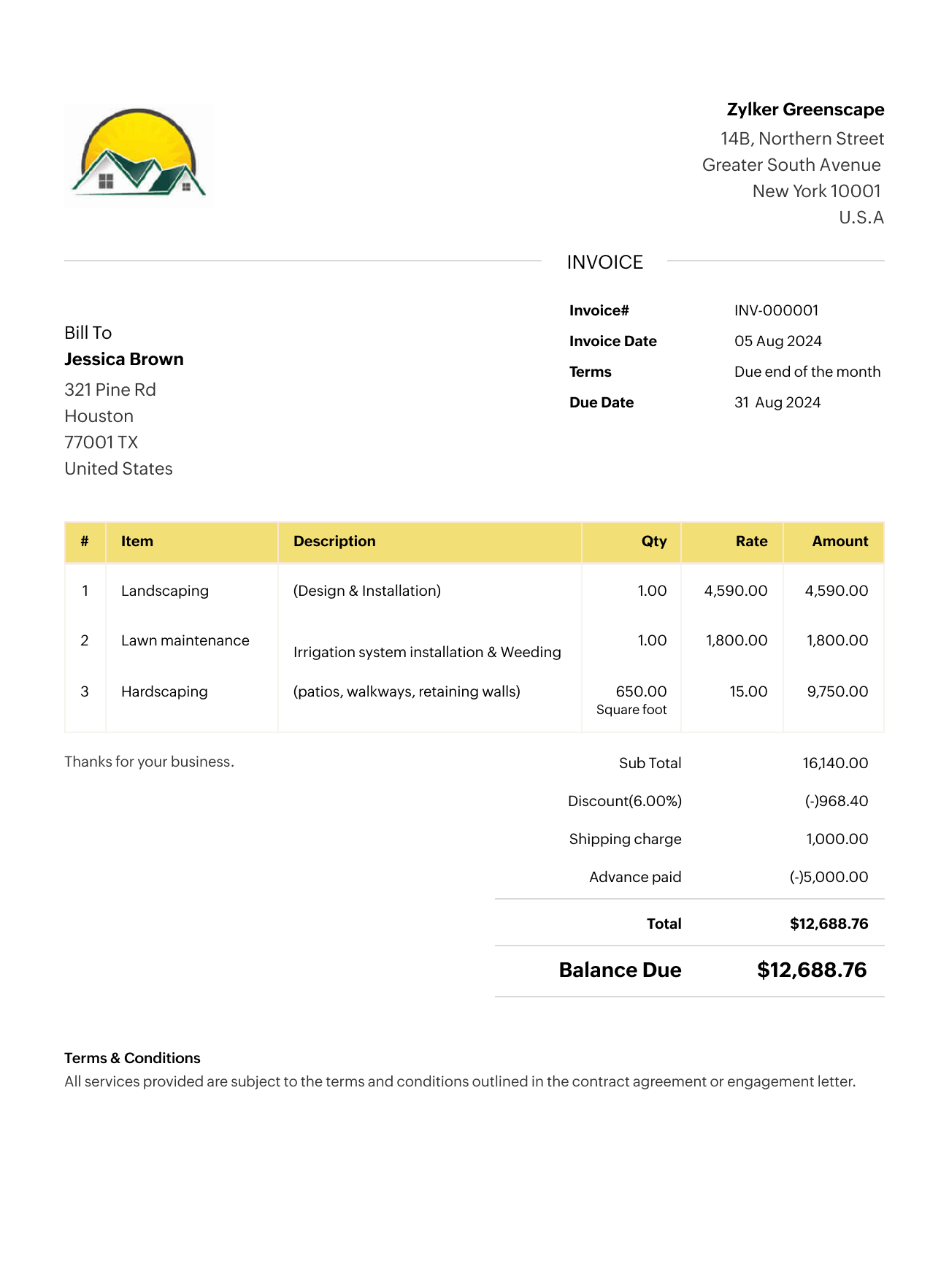
Core Components of a Comprehensive Contract Labor Invoice Template
A truly effective Contract Labor Invoice Template should include several key components. The first and most critical element is the detailed description of the work performed. This section should clearly outline the specific services rendered, the hours worked, and any associated expenses. It's vital to be specific – avoid vague descriptions that could lead to disputes. Consider incorporating a standardized form for documenting the scope of work, including deliverables, timelines, and any relevant specifications. Next, the template must include a clear breakdown of the labor costs, categorized by hourly rate, project fee, and any other applicable expenses. This allows for easy tracking of total labor costs and provides a clear picture of profitability. Finally, a section for payment terms and conditions is essential, outlining the due date, accepted payment methods, and any associated penalties for late payments.
Section 1: Contractor Information
This section gathers essential information about the contractor, ensuring accurate record-keeping and facilitating communication. It typically includes:
- Contractor Name: Full legal name of the individual or company.
- Contact Information: Phone number, email address, and physical address.
- Tax Identification Number (TIN): Required for tax reporting purposes.
- Business License Number: For businesses operating in multiple states.
- Contract Number: A unique identifier for the specific contract.
Section 2: Project Details
This section provides a detailed overview of the project being billed. It's crucial to include:
- Project Name: A descriptive name for the project.
- Project Description: A concise summary of the project's objectives and deliverables.
- Start Date: The date the project began.
- End Date: The date the project was completed.
- Hourly Rate: The agreed-upon hourly rate for the contractor's services.
- Project Fee: The total fee charged for the project.
Section 3: Labor Hours and Rates
This is arguably the most important section for accurate billing. It details the hours worked and the corresponding rate. This section should be meticulously recorded and verified. Consider incorporating a time tracking system to ensure accurate labor hour calculations. The template should allow for the recording of overtime hours, if applicable, and clearly define the overtime rate. It's important to clearly state the method used for calculating the hourly rate (e.g., based on the contractor's hourly rate plus applicable premium rates).
Section 4: Expense Breakdown
This section outlines all other expenses associated with the project. Common expenses include:
- Travel Expenses: Mileage, transportation costs, and accommodation.
- Materials: Costs associated with materials used in the project.
- Equipment Rental: Costs for renting equipment.
- Subcontractor Fees: Payments to subcontractors.
- Software Licenses: Costs for software used in the project.
Section 5: Payment Terms and Conditions
This section clearly defines the payment schedule and conditions. It should include:
- Payment Due Date: The date by which payment is expected.
- Accepted Payment Methods: Specify accepted payment methods (e.g., check, wire transfer, credit card).
- Late Payment Penalties: Outline any penalties for late payments (e.g., interest charges).
- Taxes: Clarify who is responsible for paying taxes.
Section 6: Invoice Details
This section provides essential information for the contractor, including:
- Invoice Number: A unique identifier for the invoice.
- Invoice Date: The date the invoice was issued.
- Contractor Name: The name of the contractor.
- Tax Identification Number (TIN): The contractor's TIN.
- Payment Instructions: Instructions on how to make the payment.
Best Practices for Using a Contract Labor Invoice Template
- Digital vs. Paper: While paper templates are still viable, consider transitioning to a digital format for increased efficiency and ease of tracking.
- Automation: Explore options for automating invoice generation and payment processing.
- Regular Review: Periodically review and update your Contract Labor Invoice Template to ensure it remains relevant and accurate.
- Clear Communication: Maintain clear and consistent communication with your contractors regarding invoice requirements and payment terms.
Conclusion
A well-crafted Contract Labor Invoice Template is an indispensable tool for businesses involved in contractor services. By implementing a standardized system, you can streamline your invoicing process, improve cash flow, and foster stronger relationships with your contractors. Remember that the template should be tailored to your specific business needs and regularly reviewed to ensure its continued effectiveness. Investing in a quality template is an investment in efficiency, accuracy, and ultimately, your business's success. The consistent application of a robust Contract Labor Invoice Template will contribute significantly to a more organized and profitable contracting environment.
Conclusion
The effective utilization of a Contract Labor Invoice Template is paramount for streamlining financial operations, maintaining clear communication with contractors, and ensuring accurate record-keeping. By prioritizing the key components outlined in this article – encompassing detailed descriptions, clear breakdown of labor costs, and comprehensive payment terms – businesses can establish a system that fosters transparency, accountability, and ultimately, sustainable growth within their contracting relationships. Continuous refinement and adaptation of the template based on evolving business needs are also crucial for long-term success.
0 Response to "Contract Labor Invoice Template"
Posting Komentar