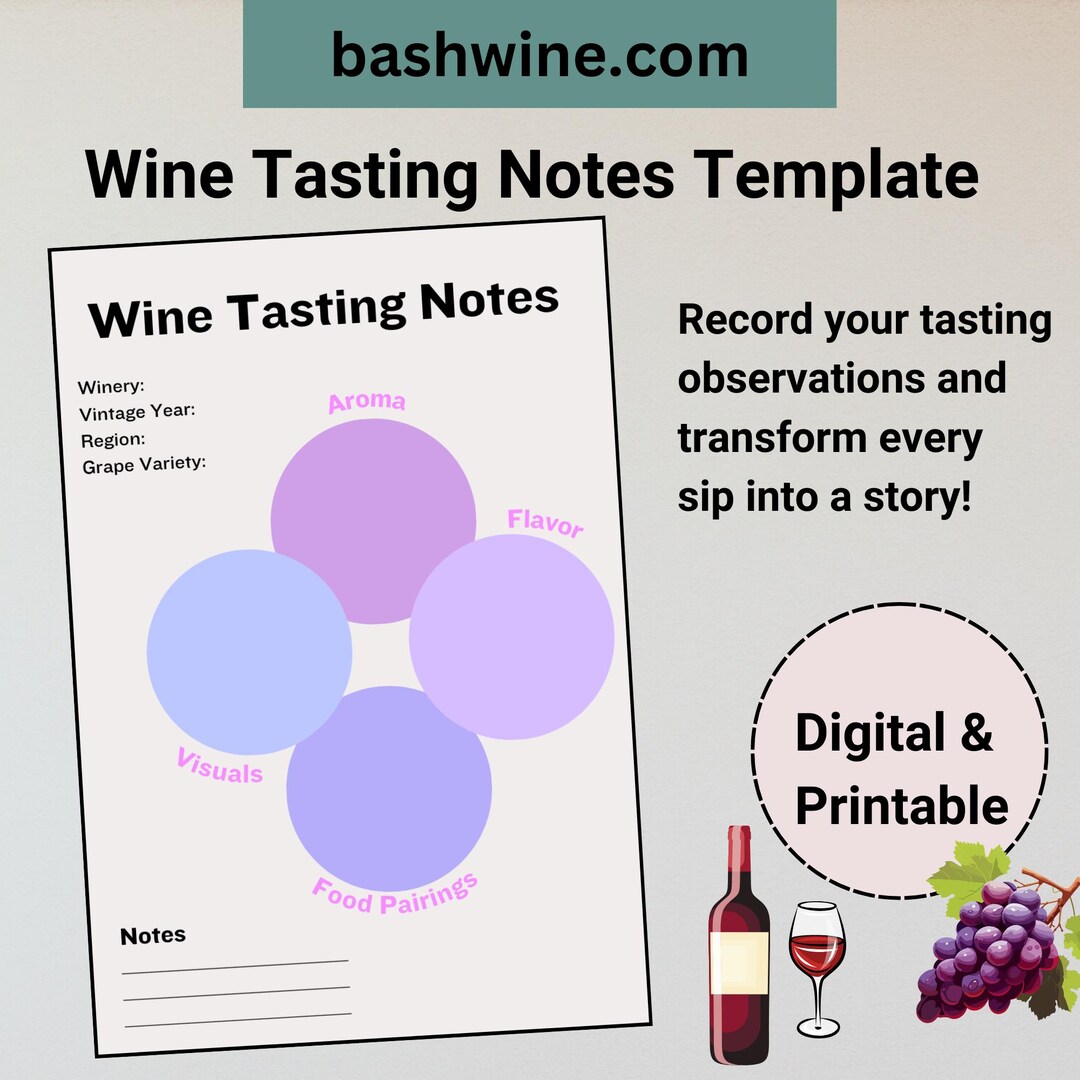
Learning to properly document your experiences is crucial for anyone looking to deepen their appreciation and understanding of wine. A Wine Tasting Notes Template serves as an invaluable tool, transforming subjective impressions into objective observations that can be tracked, analyzed, and revisited. It moves you beyond simply liking or disliking a wine, guiding you to articulate why you feel that way, and pinpoint the specific characteristics that define each sip. For both novice enthusiasts and seasoned connoisseurs, a structured approach to note-taking is the bedrock of palate development and wine memory.
Without a systematic method, the nuanced details of a wine—its delicate aromatics, intricate flavor profile, or unique texture—can easily fade from memory, lost to the multitude of wines encountered. A well-designed template provides a framework, prompting you to consider all facets of the wine, from its visual appearance to its lingering finish. This not only enhances the immediate tasting experience but also builds a personal reference library, allowing you to recall past wines, understand varietal characteristics, and identify personal preferences with greater precision.
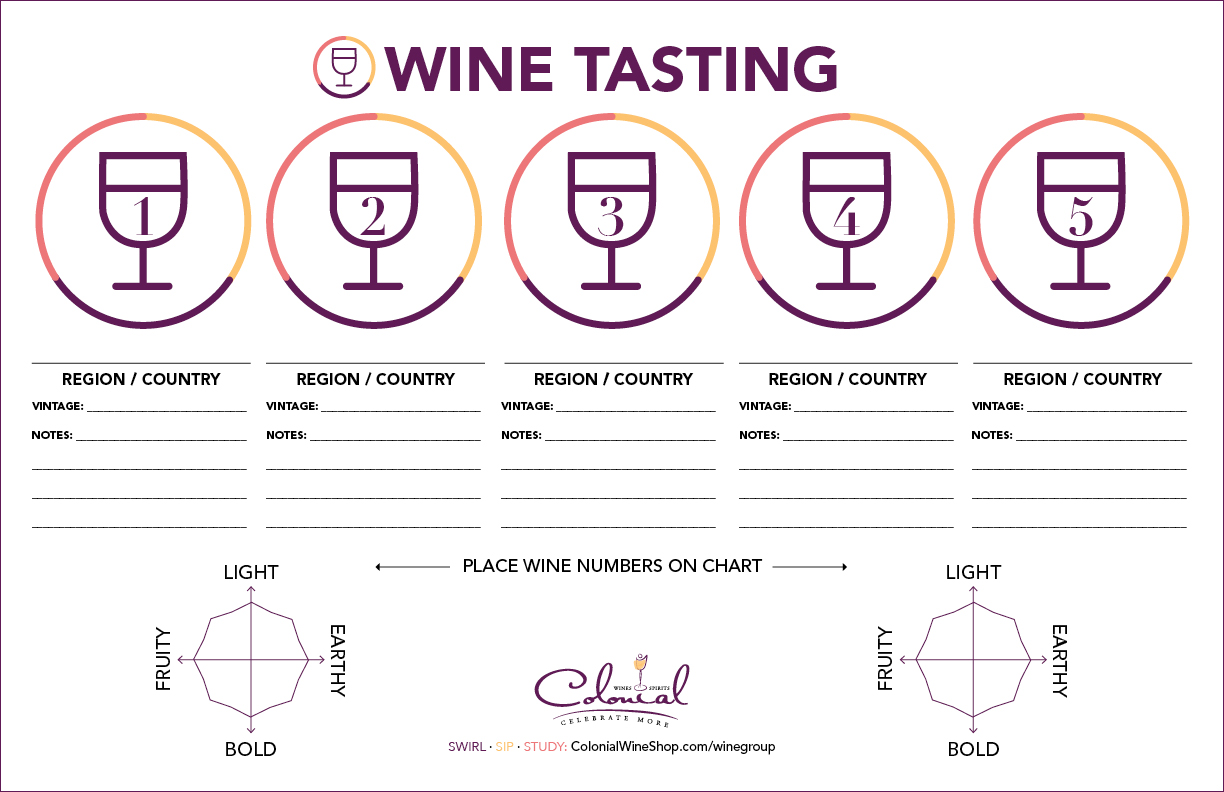
This guide will walk you through the essential components of an effective wine tasting template, explaining each section in detail and offering insights into how to best utilize it. We'll explore the benefits of systematic note-taking, discuss various elements to consider during your evaluation, and provide tips for making your notes truly impactful. Whether you're preparing for a wine certification, organizing a tasting party, or simply wishing to remember your favorite bottles, understanding and employing a structured template is your key to unlocking a richer, more educational wine journey.

Why Use a Wine Tasting Notes Template?
The human memory, while powerful, can be surprisingly fallible when it comes to recalling sensory details over time. Imagine tasting dozens, or even hundreds, of wines throughout the year. Without a system, the distinct aroma of blackcurrant in one Cabernet Sauvignon might blend with the plum notes of another, or the crisp acidity of a specific Sauvignon Blanc could become indistinguishable from others. This is precisely where a Wine Tasting Notes Template becomes indispensable.
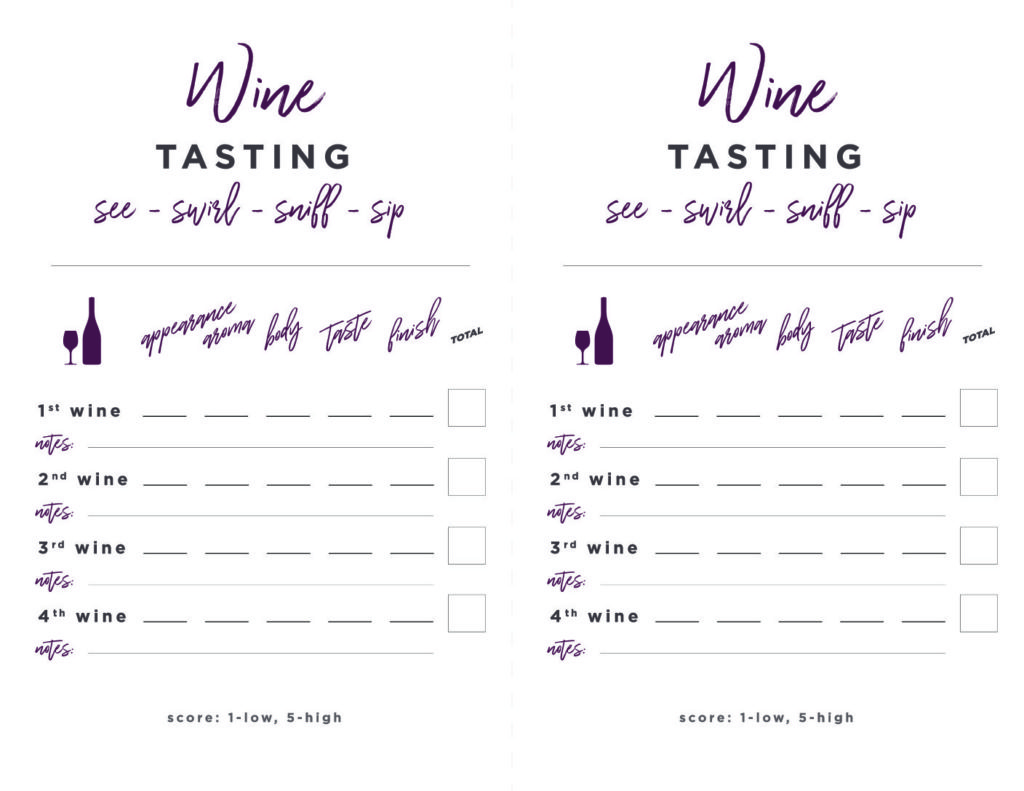
Firstly, a template provides a structured framework that ensures consistency in your evaluations. Rather than randomly jotting down thoughts, you are prompted to assess specific characteristics—sight, nose, palate, and conclusion—for every wine. This systematic approach helps you develop a methodical tasting habit, ensuring no crucial detail is overlooked. It's like having a checklist that guides your senses and critical thinking.
Secondly, consistent note-taking significantly enhances your palate development. By regularly analyzing wines through the same lens, you begin to identify patterns. You'll learn to distinguish between primary fruit aromas, secondary fermentation characteristics, and tertiary aging notes. This practice sharpens your ability to discern subtle differences and similarities between wines, varietals, and regions, leading to a more sophisticated understanding and appreciation.
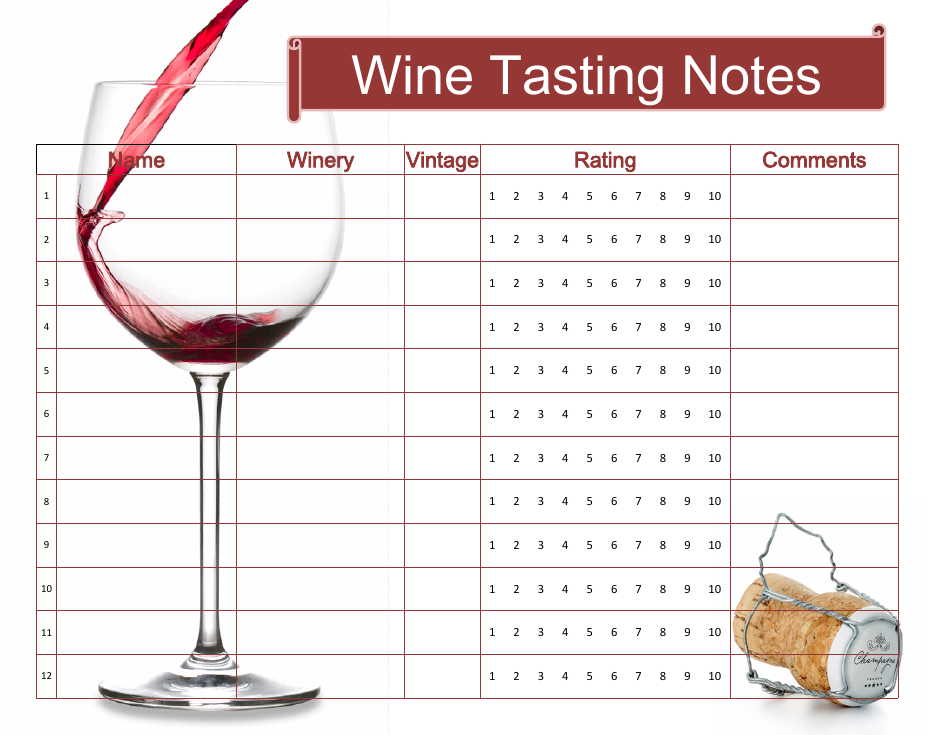
Finally, your accumulated notes become a personal wine library. This repository of information is invaluable for recalling specific wines, understanding your own preferences, and making informed purchasing decisions. Did you love that particular Chardonnay? Check your notes to see its producer, vintage, and specific characteristics. Looking for a new wine that matches a previous favorite's profile? Your detailed notes will guide you. It transforms ephemeral experiences into concrete, searchable data, proving the enduring utility of a well-maintained Wine Tasting Notes Template.
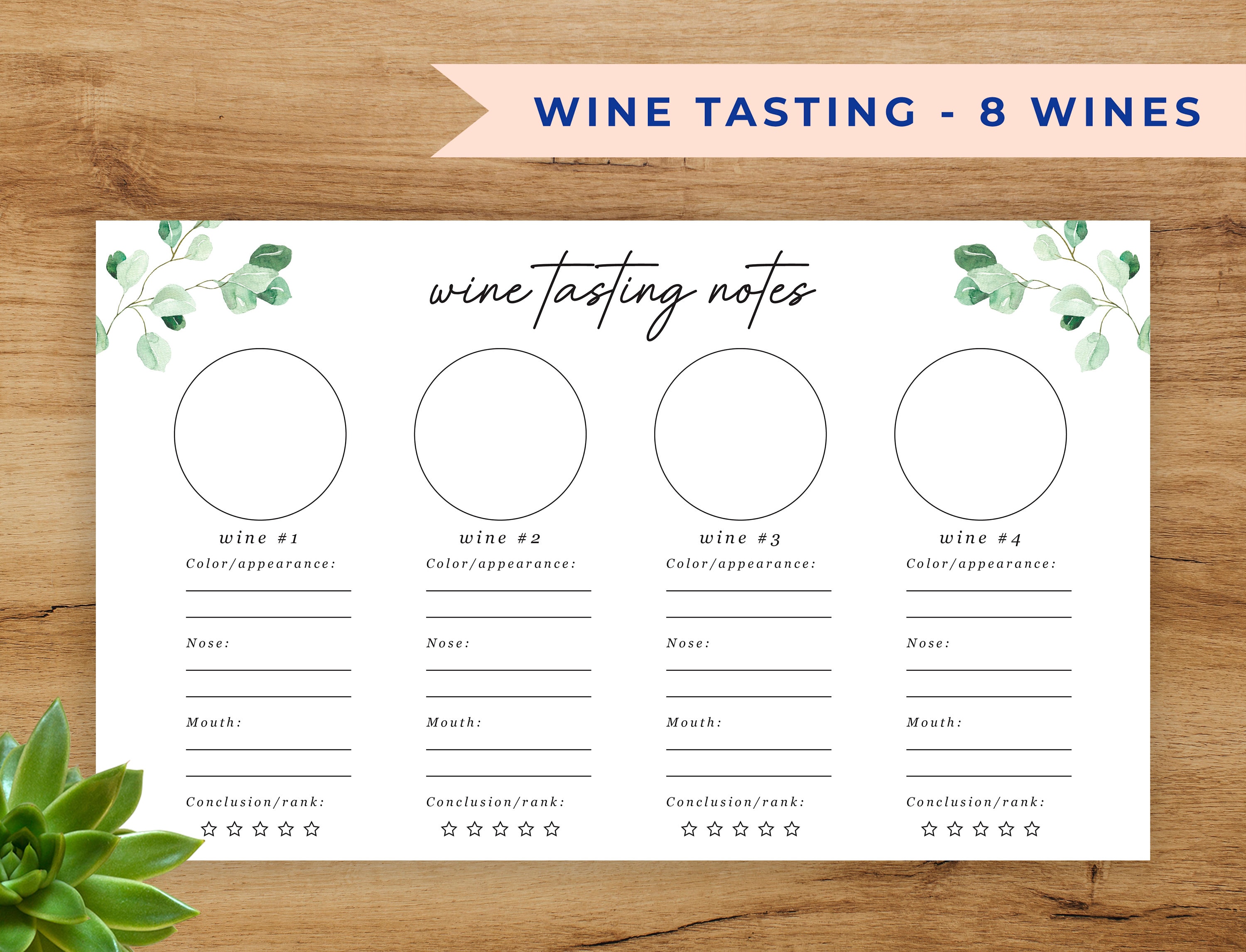
Deconstructing the Ultimate Wine Tasting Notes Template
A truly comprehensive Wine Tasting Notes Template guides you through a sensory journey, breaking down the wine's characteristics into manageable and observable components. This section will delve into the critical elements typically found in an effective template, ensuring you capture all relevant information.

Basic Wine Information
Before even lifting the glass, capture the essential facts. This foundational data provides context for your tasting and helps you reference the wine later.
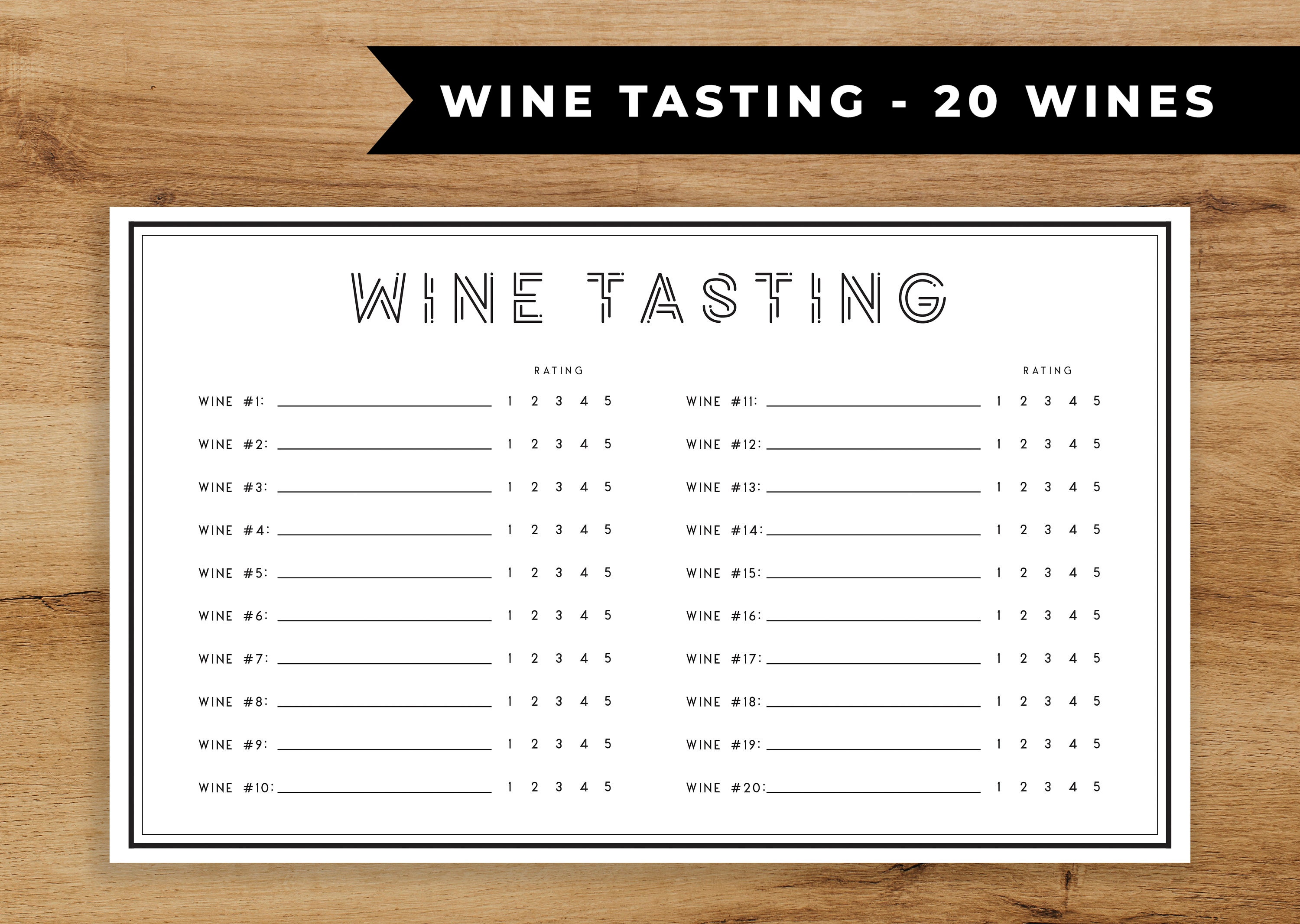
- Producer/Winery: The name of the estate or brand.
- Varietal(s): The grape(s) used (e.g., Chardonnay, Cabernet Sauvignon, Pinot Noir, or a blend).
- Vintage: The year the grapes were harvested. This is crucial for understanding age and potential evolution.
- Region/Appellation: Where the grapes were grown (e.g., Napa Valley, Bordeaux, Marlborough).
- Alcohol by Volume (ABV): Indicates the alcohol content, which impacts body and warmth.
- Price: A useful reference point for value assessment.
- Date Tasted: Essential for tracking your tasting journey.
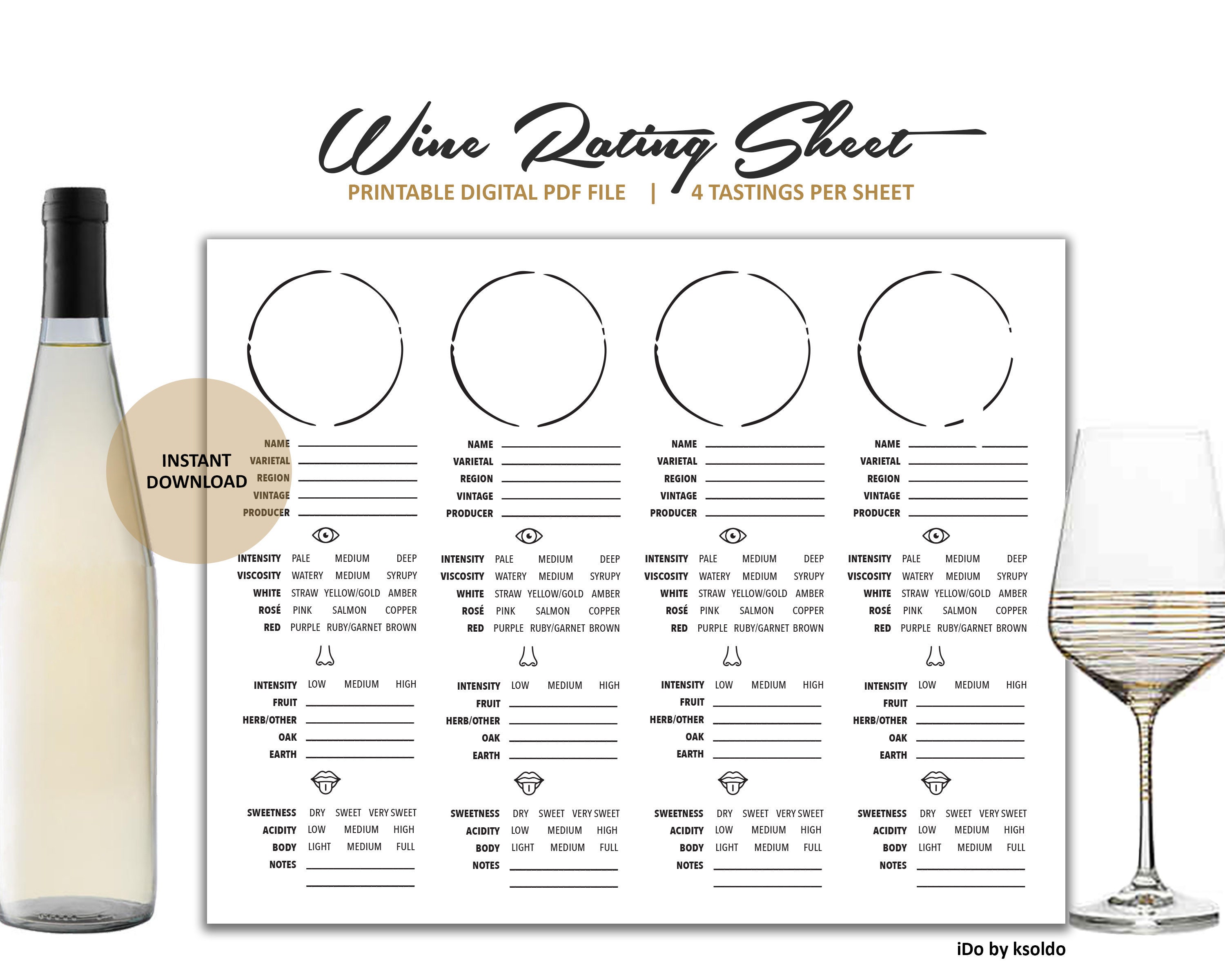
Sight (Appearance)
The first impression of a wine comes from its visual presentation. These observations can hint at the wine's age, varietal, and winemaking style.
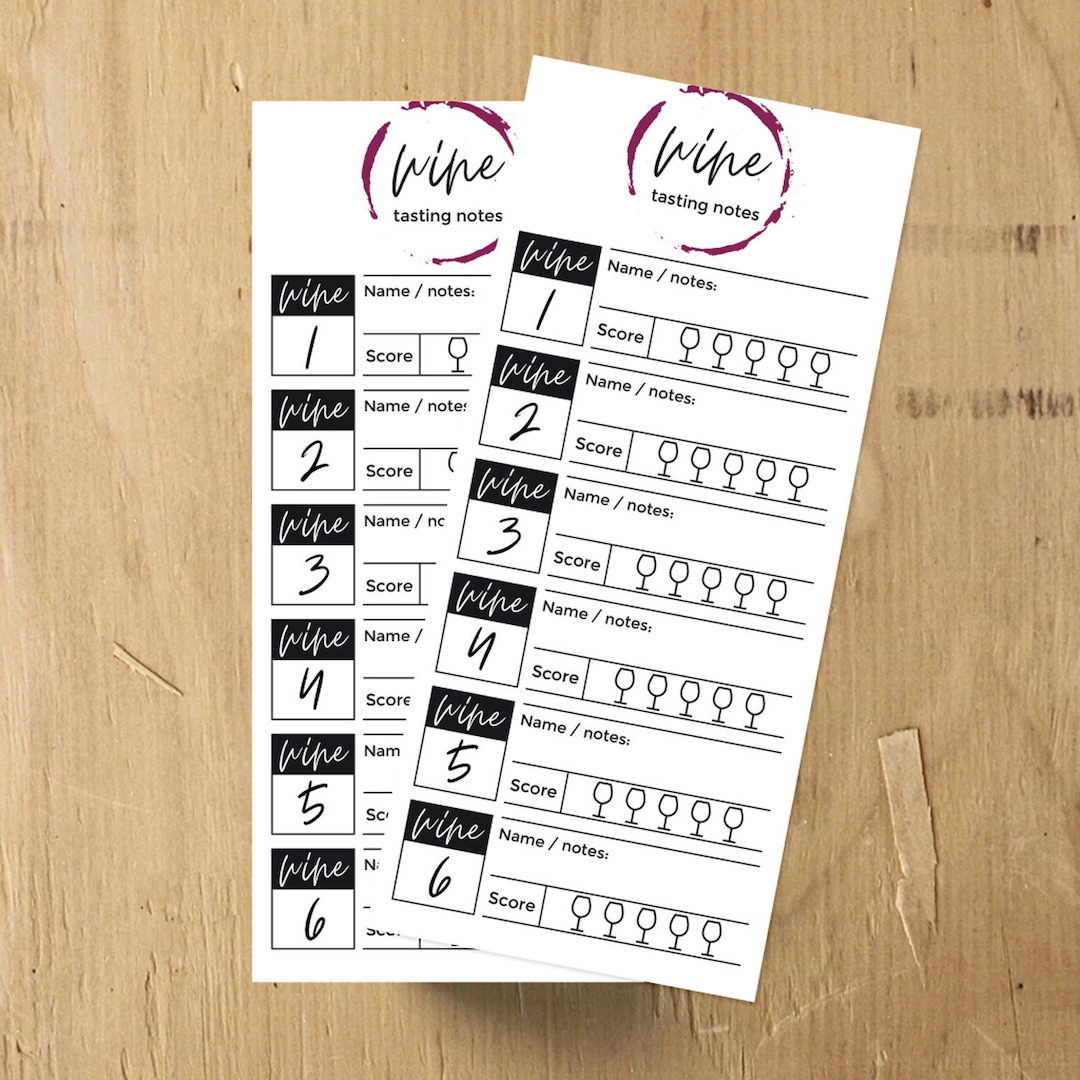
- Clarity: Is the wine clear, hazy, or cloudy? Most quality wines are clear.
- Color:
- White Wines: Pale lemon, lemon, medium gold, deep gold, amber.
- Red Wines: Purple, ruby, garnet, tawny, brown.
- Rosé Wines: Pink, salmon, orange.
- Intensity: Pale, medium, deep.
- Viscosity/Legs: Observe the tears or legs that form on the glass after swirling. Thicker, slower legs can indicate higher alcohol or residual sugar.
- Other Observations: Presence of bubbles (in still wine), sediment, etc.
Nose (Aroma)
The bouquet of a wine reveals a wealth of information. This is often the most complex and subjective part of the evaluation, but a template helps structure your thoughts.
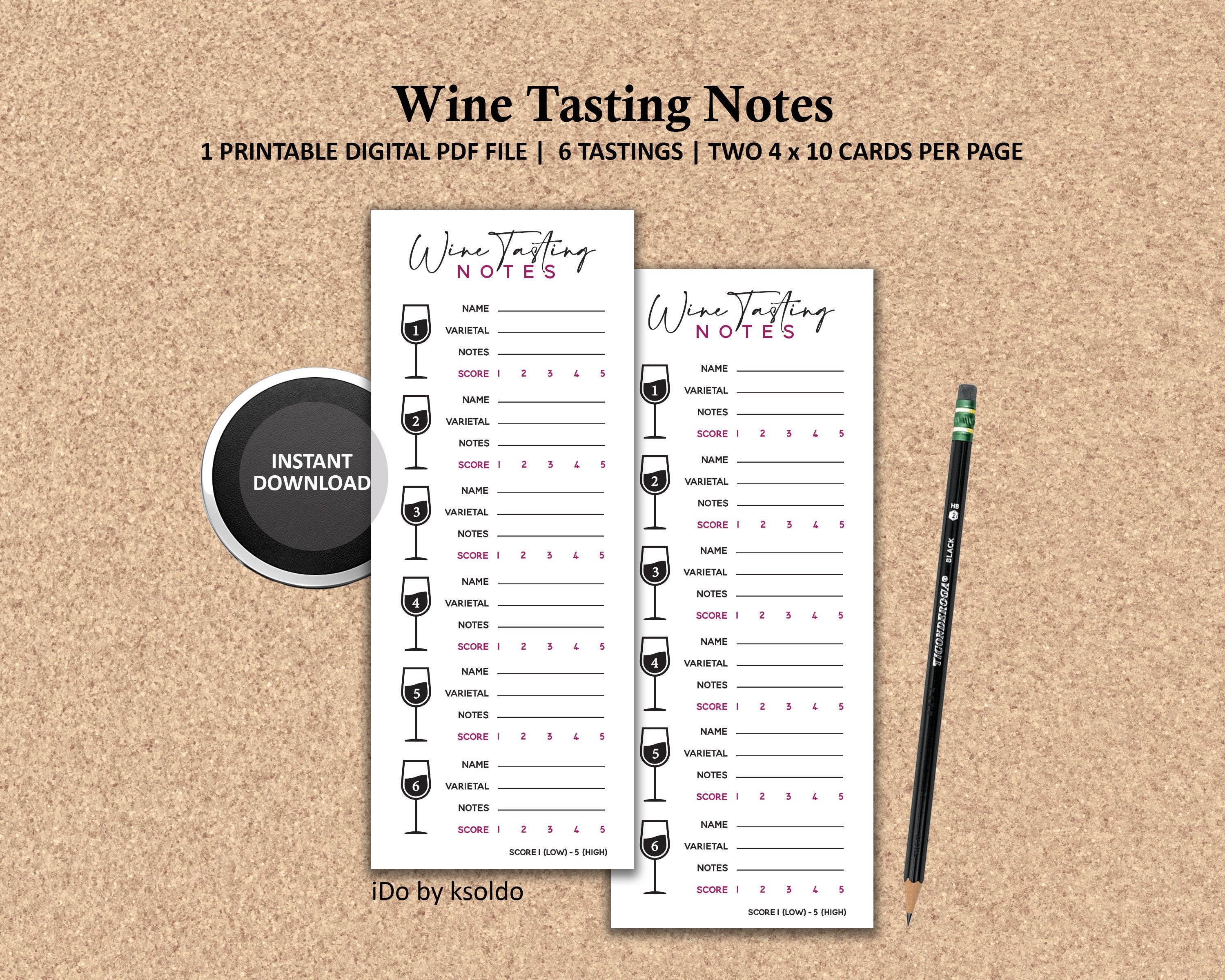
- Intensity: How strong are the aromas? Inexpressive, delicate, moderate, pronounced, powerful.
- Aroma Categories:
- Primary Aromas: Derived directly from the grape itself (e.g., fruit, floral, herbal, spice notes).
- Examples: Citrus, stone fruit, tropical fruit, red berry, black berry, green pepper, rose, violet.
- Secondary Aromas: Arising from fermentation and winemaking techniques (e.g., yeast, oak).
- Examples: Brioche, toast, vanilla, coconut, smoke, butter, cream.
- Tertiary Aromas: Developing from aging in bottle or oak (e.g., oxidation, dried fruit, earthy, savory).
- Examples: Mushroom, forest floor, leather, tobacco, coffee, caramel, nuttiness.
- Primary Aromas: Derived directly from the grape itself (e.g., fruit, floral, herbal, spice notes).
- Specific Descriptors: List all the individual aromas you detect. Be as precise as possible.
Palate (Taste and Mouthfeel)
This is where taste buds and tactile sensations come alive. The template guides you through the core components of taste and texture.
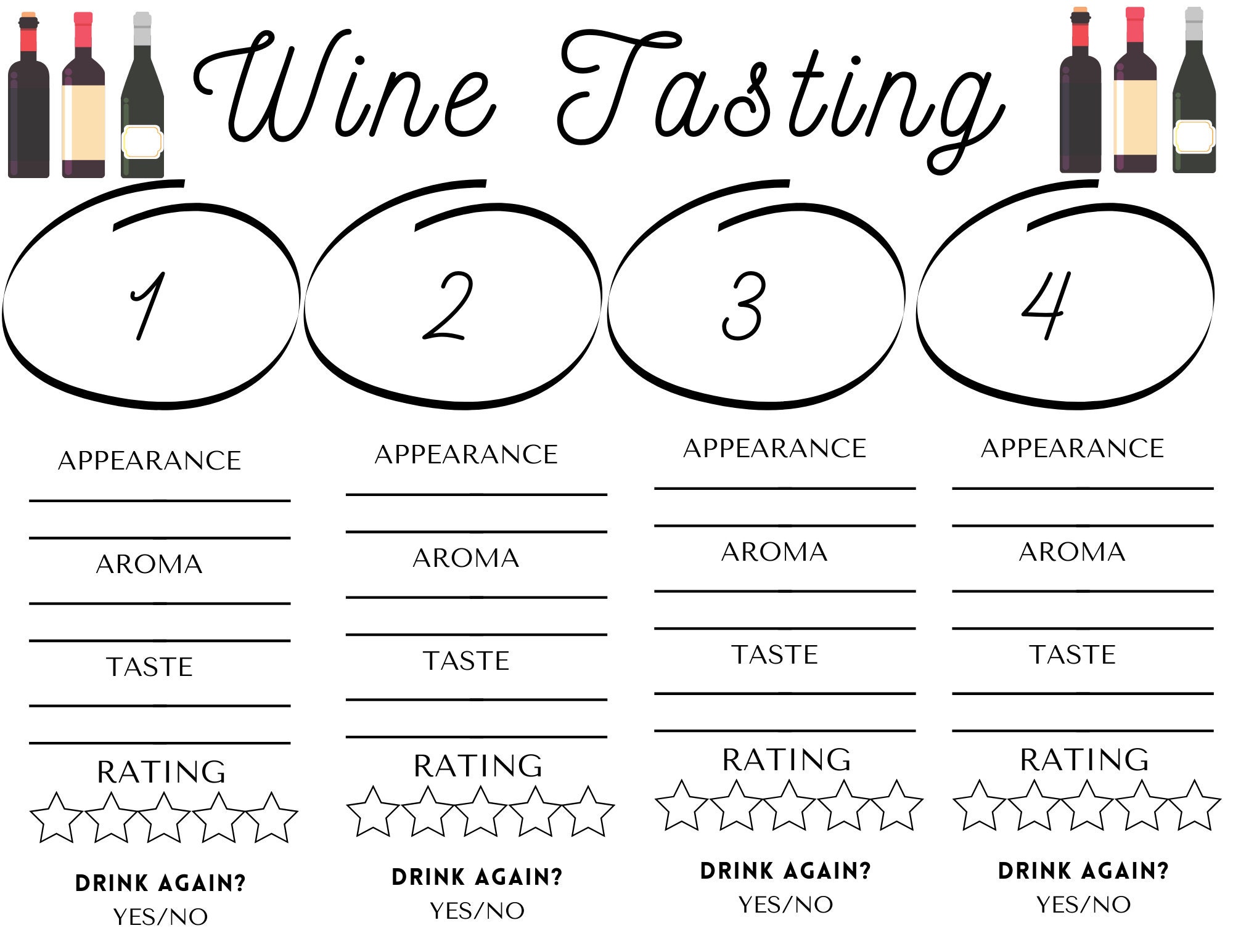
- Sweetness: Dry, off-dry, medium-sweet, sweet, luscious.
- Acidity: Low, medium (-), medium, medium (+), high. Acidity gives wine its freshness and tartness.
- Tannin (Red Wines): Low, medium (-), medium, medium (+), high. Describes the drying sensation in your mouth (firm, grippy, silky, rustic).
- Body: Light, medium, full. Refers to the perceived weight and viscosity of the wine.
- Flavor Intensity: Light, moderate, pronounced. How strong are the flavors?
- Flavor Profile: Revisit the aromas you identified and see if they translate to the palate. Add new flavors discovered.
- Alcohol: Low, medium, high. Does it feel warming or hot?
- Texture/Mouthfeel: Creamy, austere, velvety, watery, aggressive.
- Balance: Do all components (sweetness, acidity, tannin, alcohol, fruit) work in harmony?
- Length/Finish: How long do the flavors linger after you swallow? Short, medium, long.
Conclusion and Overall Impressions
The final section of your Wine Tasting Notes Template allows for a holistic summary and personal reflection.
- Quality Assessment: Poor, acceptable, good, very good, outstanding. Justify your rating based on balance, length, intensity, and complexity.
- Potential for Ageing: Drink now, short term (1-3 years), medium term (3-7 years), long term (7+ years).
- Food Pairing Suggestions: What dishes would complement this wine?
- Overall Impression/Comments: Any final thoughts, emotional responses, or unique characteristics that stood out. Would you buy it again?
Crafting Your Perfect Wine Tasting Notes Template
While standard templates provide an excellent starting point, the most effective Wine Tasting Notes Template is one that truly works for you. Customization is key to making the note-taking process efficient, enjoyable, and genuinely useful for your personal learning journey.
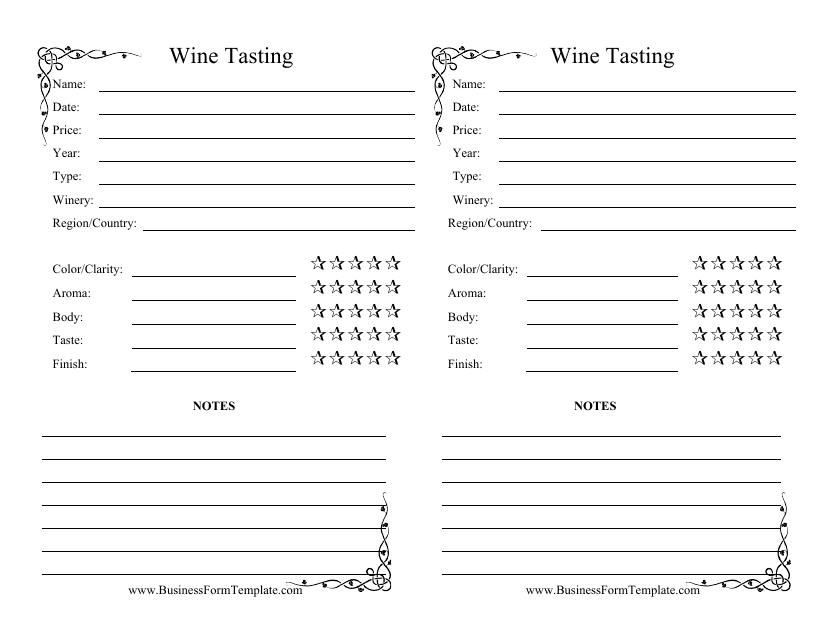
Consider your primary goal. Are you studying for a certification like WSET or Court of Master Sommeliers? Then a highly detailed, systematic template focusing on objective criteria will be paramount. Are you simply a hobbyist wanting to remember wines you enjoy and understand your preferences? A simpler, more intuitive template with space for personal anecdotes might be more appropriate.

One popular approach is to start with a comprehensive template and then streamline it over time. As you become more experienced, certain sections might become second nature, or you might find that you consistently omit certain details. Don't be afraid to remove redundant fields or add new ones that you find particularly helpful. For instance, some people like to include a section for "Mood/Occasion" to recall the context of the tasting, while others might add a specific field for "Winemaking Notes" if they are particularly interested in processes like malolactic fermentation or oak treatment.
Another aspect to consider is the format: digital versus physical.
Physical templates (printed sheets, notebooks) offer the tactile satisfaction of writing and sketching, which can aid memory. They are also convenient in situations where electronics are discouraged or impractical. However, they can be cumbersome to carry, difficult to search through, and prone to damage or loss.
Digital templates (apps, spreadsheets, custom forms) provide unparalleled searchability, organization, and portability. You can easily categorize, filter, and analyze your data, and many apps offer built-in aroma wheels or standardized rating systems. The downside can be screen glare in certain lighting, battery life concerns, and the potential distraction of other digital notifications. Many enthusiasts use a hybrid approach, sketching quick notes on paper and then transcribing them into a digital format for long-term storage and analysis.

Experiment with different layouts and structures. Use checkboxes for common descriptors to save time, and leave ample space for free-form comments. The goal is to create a template that encourages thoroughness without feeling like a chore. The more tailored your Wine Tasting Notes Template is to your individual needs and style, the more consistently you will use it, and the more valuable it will become.
How to Effectively Use Your Wine Tasting Notes Template
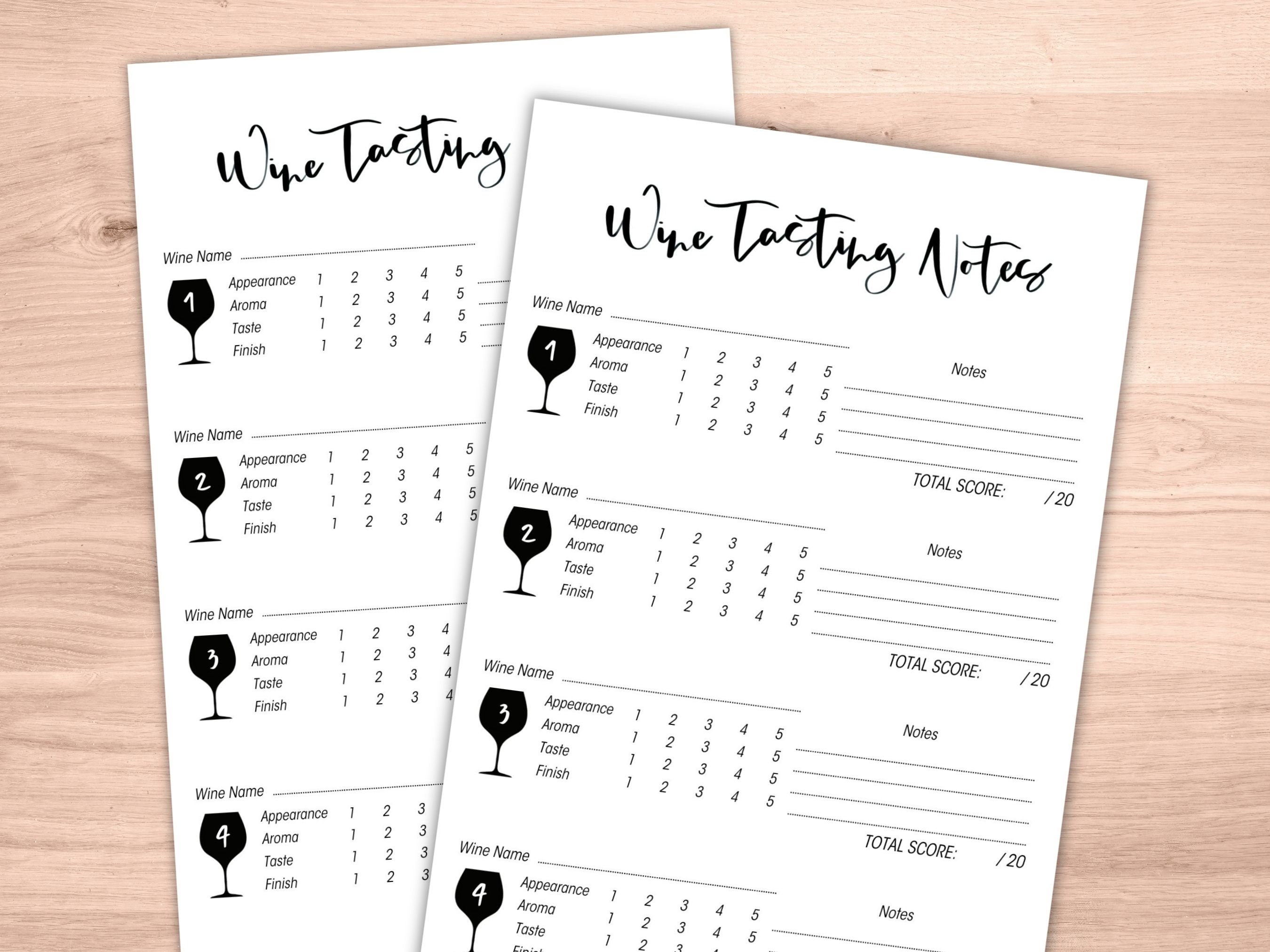
Having a well-designed Wine Tasting Notes Template is only half the battle; knowing how to use it effectively is crucial for maximizing its benefits. Consistency, attention to detail, and active engagement are key principles to guide your note-taking.
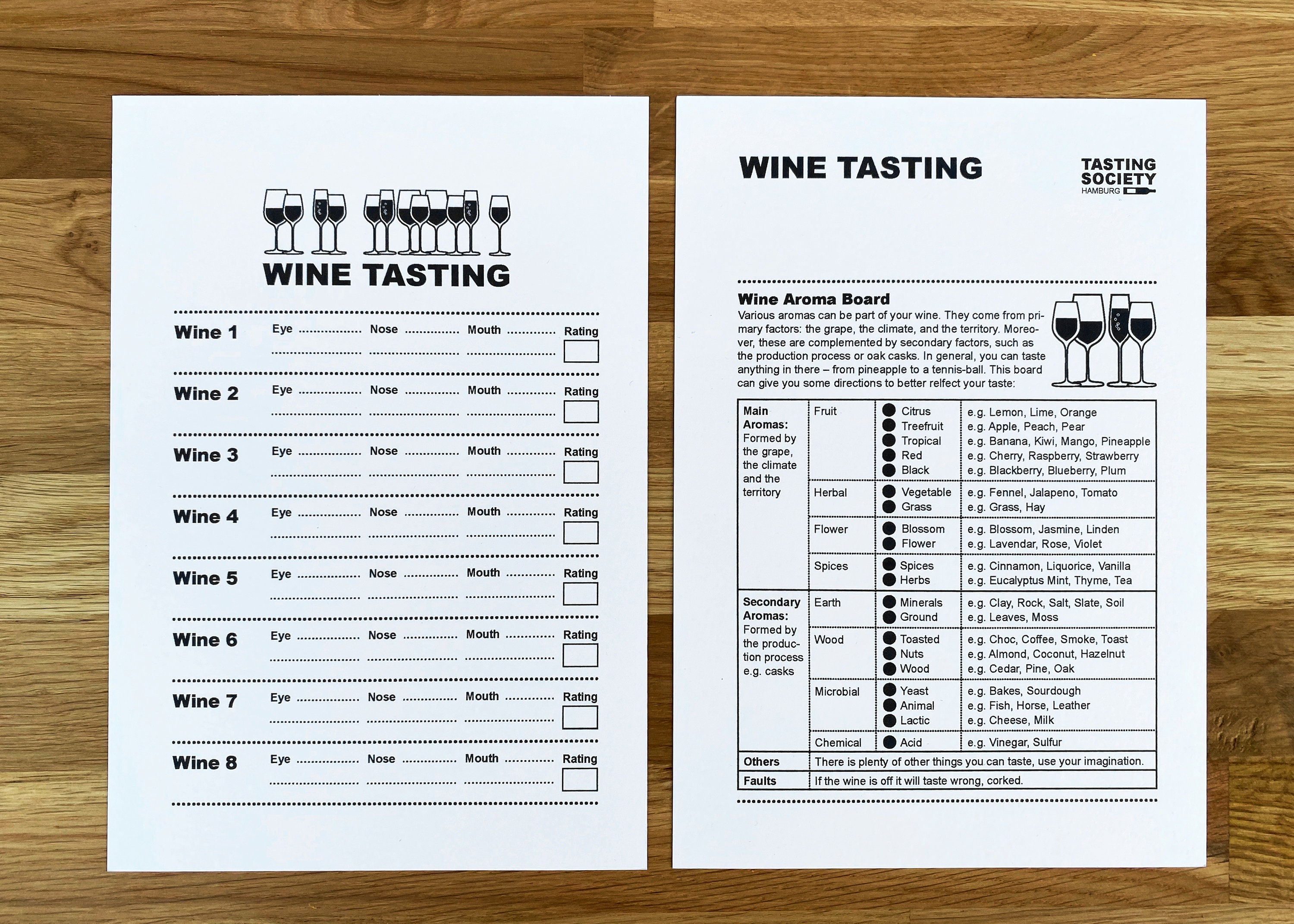
Firstly, tasting order matters. When evaluating multiple wines, especially in a structured setting, always taste from lighter to heavier, drier to sweeter, and less alcoholic to more alcoholic. This prevents bolder wines from overwhelming your palate and skewing your perception of more delicate ones. Rinse your palate with water between each wine to reset your senses.
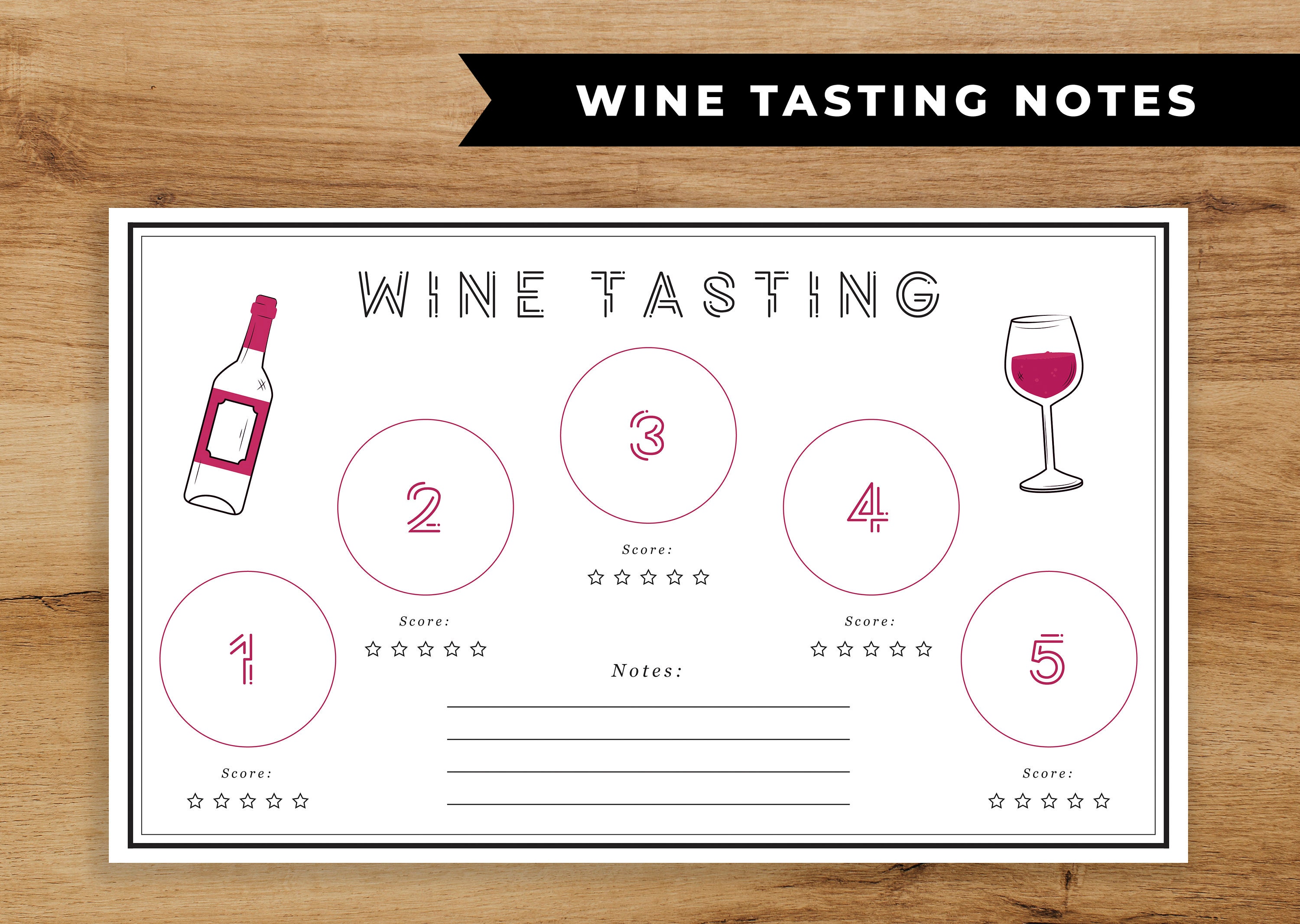
Next, engage all your senses systematically. Don't jump straight to taste. Start with sight, making detailed observations about clarity and color. Then, move to the nose, taking several sniffs to identify both subtle and pronounced aromas. Only then should you take your first sip, focusing on sweetness, acidity, tannin, and body before diving into specific flavors. Your Wine Tasting Notes Template acts as a mental checklist, ensuring you cover each sensory dimension in a logical sequence.

Be specific with your descriptors. Instead of just writing "fruit," try to identify the type of fruit (e.g., red cherry, blackcurrant, green apple, passionfruit). Instead of "spicy," specify "white pepper," "clove," or "cinnamon." This level of detail makes your notes more informative and helps build a stronger aroma and flavor memory. If you're struggling to identify specific aromas, use an aroma wheel as a guide; these tools can help jog your memory and expand your vocabulary.
Write down your initial impressions quickly. Our short-term memory for sensory data is fleeting. Jot down keywords or quick thoughts as you experience them, then flesh them out with more descriptive language once you've completed your initial assessment. Don't censor yourself; even seemingly odd descriptors can be valuable personal markers.
Finally, review and reflect. After a tasting session, take a moment to review your notes. Did you consistently apply your descriptors? Do patterns emerge? Comparing notes from similar wines (e.g., different vintages of the same varietal, or wines from the same region) can reveal interesting insights and accelerate your learning. This reflective practice solidifies your understanding and helps you internalize the nuances of wine, turning each filled Wine Tasting Notes Template into a stepping stone towards greater expertise.
Beyond the Basics: Advanced Tips for Wine Note-Taking
Once you're comfortable with the fundamental aspects of your Wine Tasting Notes Template, you can elevate your note-taking to uncover deeper insights and further refine your palate. These advanced tips focus on developing critical thinking and personalizing your approach.
One significant step is to develop your own personal lexicon of descriptors. While aroma wheels and standardized terms are excellent starting points, you'll find that certain aromas or flavors resonate more strongly with your personal experience. For example, perhaps a specific earthy note reminds you of your grandmother's garden, or a fruity aroma brings to mind a particular candy from your childhood. Incorporating these unique, personal associations into your notes can make them more vivid and memorable for you. Just ensure you're consistent so your personal language remains useful.
Another advanced technique is to focus on the interplay and balance of components. Rather than just listing acidity, tannin, and fruit separately, consider how they interact. Is the acidity refreshing and lifting the fruit, or is it aggressive and disjointed? Are the tannins chewy but balanced by ample fruit, or are they drying out your mouth? The quality of a wine often lies in its harmony, and assessing this balance offers a more sophisticated evaluation than simply checking boxes. Your Wine Tasting Notes Template should allow space for these integrative observations.
Consider tracking the evolution of a wine over time. If you have the opportunity to taste the same wine across different vintages, or even the same bottle over several days (if it holds up), make separate entries in your template for each tasting. Observe how the aromas and flavors change with air exposure or age. This practice provides invaluable insight into the dynamics of wine and how it develops. For example, an older vintage might show more tertiary notes like dried fruit or forest floor, while a younger one displays vibrant primary fruit.
Lastly, practice blind tasting regularly. While not directly about the template itself, blind tasting forces you to rely purely on your sensory perceptions without the bias of labels, prices, or reputations. It's the ultimate test of your note-taking skills and your ability to objectively identify a wine's characteristics. After the reveal, compare your notes with the actual wine's profile and learn from any discrepancies. This rigorous practice significantly sharpens your observational skills, making your use of any Wine Tasting Notes Template more accurate and insightful.
Common Pitfalls to Avoid When Using a Wine Tasting Notes Template
While a Wine Tasting Notes Template is an invaluable tool, there are several common mistakes that can diminish its effectiveness or even deter you from using it consistently. Being aware of these pitfalls can help you navigate your tasting journey more smoothly.
The most frequent error is overthinking and trying to be "perfect". Especially for beginners, there's a tendency to feel intimidated by the vast lexicon of wine descriptors or the detailed structure of a template. This can lead to paralysis, where you spend too much time agonizing over a single aroma or fear putting down the "wrong" answer. Remember, your notes are for you. Start simply, focus on what you actually perceive, and allow yourself to learn and expand your vocabulary over time. Don't let the pursuit of perfection prevent you from taking any notes at all.
Another pitfall is inconsistency in your approach. If you use your template meticulously for one wine but then rush through or skip sections for the next, your notes will lack comparative value. For your notes to be truly useful in tracking your palate development and understanding patterns, you need to apply the same level of rigor to each wine. This doesn't mean every note has to be essay-length, but aim for a similar depth of observation across all entries. Regular practice fosters consistency.
Using generic or uninformative descriptors is another common trap. Simply writing "nice fruit" or "good finish" tells you very little about the wine when you revisit the notes later. Push yourself to be more specific. What kind of fruit? How long was the finish, and what flavors lingered? If you're unsure, refer to an aroma wheel or a list of common wine descriptors to prompt your memory. The more precise your language, the more valuable your Wine Tasting Notes Template becomes as a reference.
Finally, neglecting to review your past notes renders much of the effort pointless. Your template is not just a repository; it's a learning instrument. Periodically go back through your notes, compare wines, identify trends in your preferences, and observe how your palate has evolved. This active engagement with your past observations is where the true power of a Wine Tasting Notes Template lies, transforming individual entries into a coherent narrative of your wine education.
Conclusion
Mastering the art of wine tasting and developing a sophisticated palate is a journey, not a destination. At the heart of this journey lies the disciplined yet rewarding practice of systematic note-taking. A well-constructed and consistently utilized Wine Tasting Notes Template is arguably the most powerful tool a wine enthusiast can possess, transforming fleeting sensory experiences into lasting, actionable knowledge.
From capturing the basic details of a bottle to meticulously deconstructing its appearance, aroma, and palate, a template provides the structure needed to approach each wine with a critical yet appreciative eye. It guides you through the complex interplay of flavors and textures, helping you to articulate your perceptions with precision. Beyond merely documenting, this structured approach actively sharpens your senses, refines your descriptive vocabulary, and builds a comprehensive personal archive that reflects your evolving tastes and understanding.
Whether you opt for a traditional pen-and-paper method or embrace the convenience of digital solutions, the core value remains the same: a commitment to detailed observation and consistent record-keeping. By avoiding common pitfalls like overthinking or inconsistency, and by actively engaging with your past notes, you unlock the full potential of your template. Ultimately, the Wine Tasting Notes Template is more than just a form; it's a passport to deeper appreciation, a roadmap for palate development, and a cherished record of every memorable sip on your vinous adventure.
0 Response to "Wine Tasting Notes Template Guide"
Posting Komentar