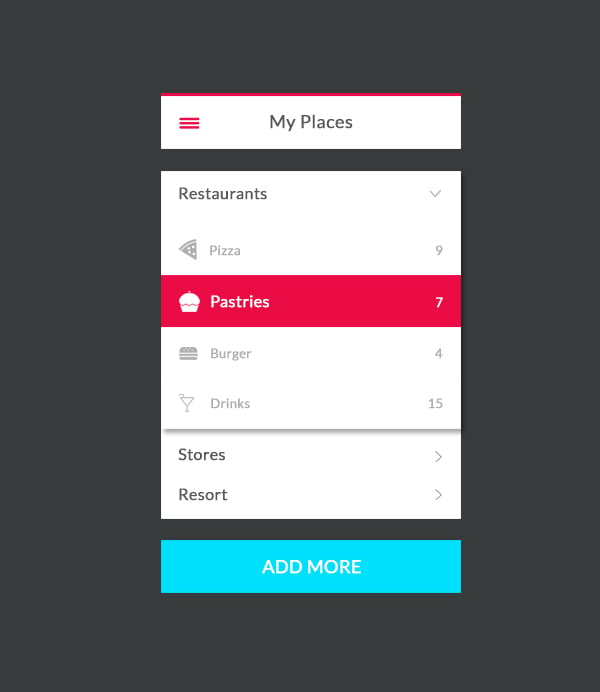
The world of website design is constantly evolving, and one of the most frequently requested elements is a dropdown menu. It's a versatile tool that adds functionality, visual appeal, and a touch of sophistication to any webpage. A well-implemented dropdown menu can significantly enhance user experience, improve navigation, and even boost conversions. This guide will delve into everything you need to know about drop-down menus, covering their various types, best practices, and how to create a truly effective one. Understanding the nuances of this design element is crucial for any web developer or designer looking to elevate their website's aesthetics and functionality. Let's explore how to leverage the power of a dropdown menu to achieve your goals.
Why Choose a Dropdown Menu?
Before diving into the technical aspects, it's important to understand why dropdown menus are so popular. They offer several key benefits:
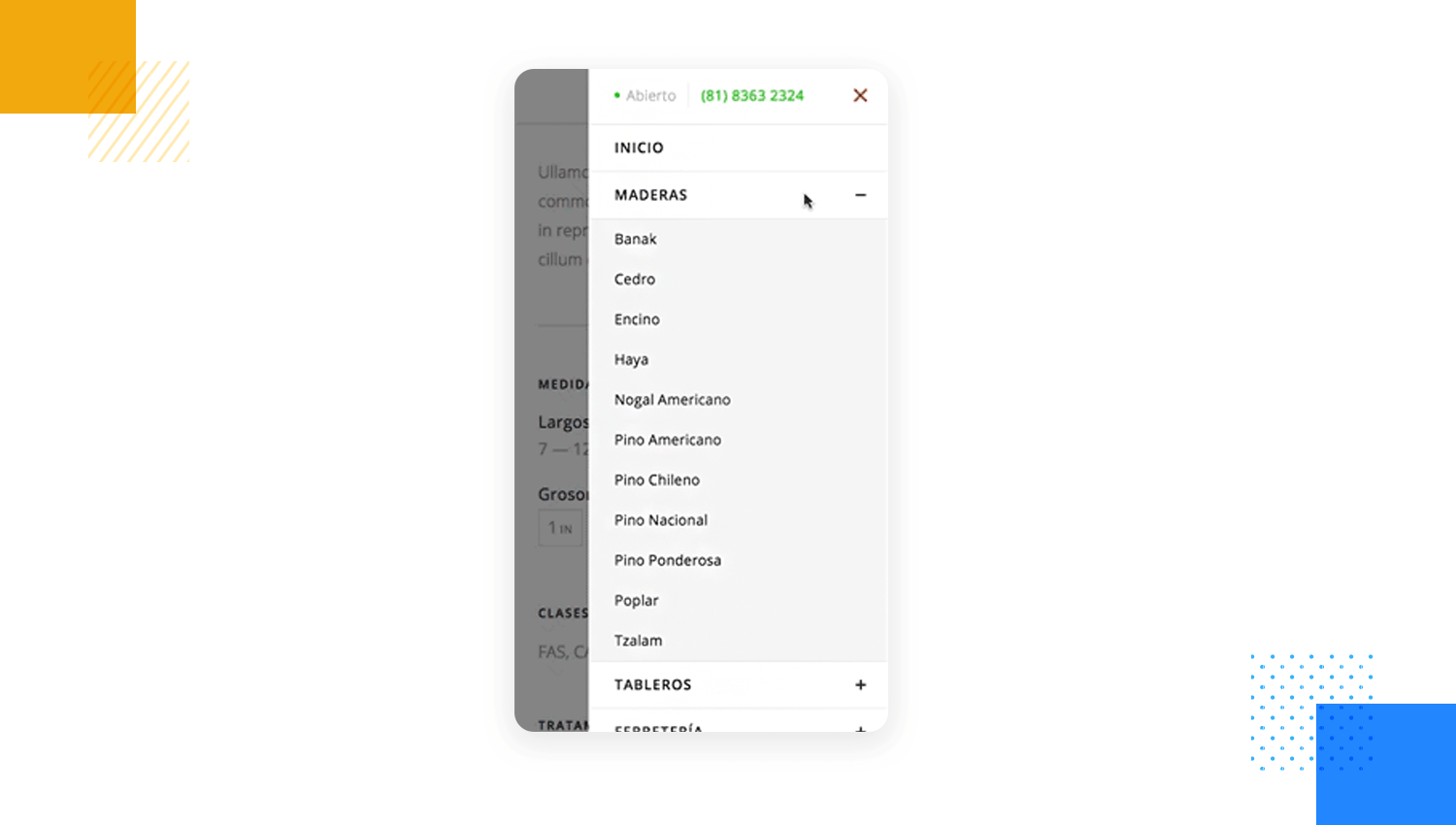
- Improved Navigation: Dropdown menus provide a clear and intuitive way for users to navigate complex menus. They're especially useful when dealing with a large number of options.
- Enhanced User Experience: They simplify the process of selecting options, reducing the cognitive load on the user.
- Visual Appeal: A thoughtfully designed dropdown menu can add a polished and professional touch to your website.
- Increased Conversion Rates: In e-commerce settings, dropdown menus can streamline the checkout process, leading to higher conversion rates.
- Accessibility: With proper implementation, dropdown menus can be made accessible to users with disabilities, adhering to accessibility guidelines.
Types of Dropdown Menus
There are several variations of dropdown menus, each with its own strengths and weaknesses. Understanding these differences is key to selecting the right type for your specific needs.

- Static Dropdown Menus: These are the most basic type, displaying a fixed set of options. They are simple to implement but offer limited flexibility.
- Dynamic Dropdown Menus: These menus update automatically based on data from a database or other source. They are ideal for menus that change frequently, such as those related to products, categories, or user preferences.
- Tabbed Dropdown Menus: These menus allow users to switch between multiple sets of options, often used for displaying related content or features.
- Expandable Dropdown Menus: These menus allow users to expand or collapse sections of the menu, providing a more detailed view of the available options.
Best Practices for Dropdown Menu Design
Creating a truly effective dropdown menu requires careful consideration of several factors. Here are some key best practices:
- Clear and Concise Labels: Use clear, descriptive labels for each option. Avoid jargon or ambiguous terms. "Products" is a good example of a well-labeled option.
- Logical Grouping: Organize options into logical groups or categories. This makes it easier for users to find what they're looking for.
- Visual Hierarchy: Use font size, color, and spacing to create a visual hierarchy that guides the user's eye. Larger text and contrasting colors draw attention to important options.
- Mobile Responsiveness: Ensure your dropdown menu is fully responsive and adapts to different screen sizes. A poorly designed dropdown on a mobile device is a frustrating experience.
- Keyboard Navigation: Make sure the dropdown menu is fully navigable using the keyboard. This is crucial for users who rely on assistive technologies.
- Avoid Overcrowding: Don't overwhelm the user with too many options. Prioritize the most important choices.
Implementing a Dropdown Menu: Step-by-Step
Let's walk through the process of creating a basic dropdown menu using HTML and CSS. This example will demonstrate the core principles.
HTML Structure: Start with a basic HTML structure. You'll need a container element to hold the dropdown, and a list element to display the options.
html
CSS Styling: Use CSS to style the dropdown menu and ensure it looks visually appealing. Consider using a CSS framework like Bootstrap or Tailwind CSS for a more structured and responsive design.
css
.dropdown-container {
border: 1px solid #ccc;
padding: 10px;
margin-bottom: 10px;
width: 200px;
}padding: 8px;
border-bottom: 1px solid #eee;
}padding: 8px;
margin-bottom: 8px;
border-bottom: 1px solid #eee;
display: block;
}background-color: #f0f0f0;
}JavaScript (Optional): For dynamic dropdown menus, you'll need JavaScript to handle updates and interactions. This example demonstrates a simple JavaScript function to toggle the dropdown's visibility.
javascript
document.getElementById('myDropdown').addEventListener('change', function() {
var selectedValue = this.value;
// Update the page content based on the selected option
document.getElementById('myText').textContent = selectedValue;
});
Dropdown Menu Types: Advanced Considerations
Beyond the basic types, there are more advanced dropdown menu implementations:
- Modal Dropdown Menus: These menus appear as separate panels, providing a more focused and interactive experience.
- Progressive Dropdown Menus: These menus dynamically update as the user scrolls, providing a seamless and intuitive experience.
- Customizable Dropdown Styles: Allow users to customize the appearance of the dropdown menu, including colors, fonts, and spacing.
Conclusion
Dropdown menus are a powerful and versatile tool for enhancing website usability and user experience. By understanding the different types, best practices, and implementation techniques, you can create dropdown menus that are both effective and visually appealing. Remember to prioritize clear labeling, logical grouping, and responsive design to ensure a positive user experience. As web development continues to evolve, dropdown menus will undoubtedly remain a fundamental element of many websites. Continuous learning and experimentation are key to mastering this design element and leveraging its full potential. Further research into accessibility guidelines and responsive design principles will ensure your dropdown menus are inclusive and optimized for all users.
0 Response to "Drop Down Menu Html Template"
Posting Komentar