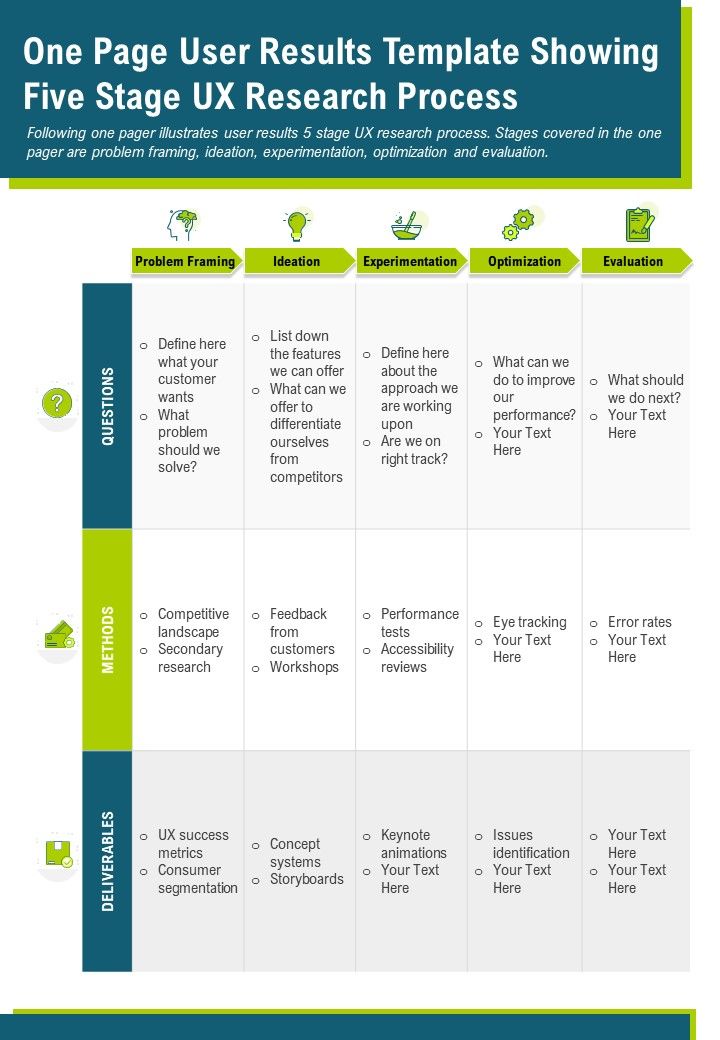
In today's digital landscape, understanding your online presence is paramount for business growth. A robust Ux Report Template is no longer a luxury – it's a necessity. It's a structured document that meticulously tracks key performance indicators (KPIs) across your website, marketing channels, and overall online strategy. This guide will delve into what an effective Ux Report Template looks like, why it's crucial, and how to use it to make data-driven decisions that drive real results. Ux Report Template is the cornerstone of informed decision-making, allowing you to identify areas for improvement and capitalize on opportunities. Let's explore how to build and utilize one that truly delivers value.
The rise of digital marketing has created an overwhelming amount of data. Simply tracking website traffic isn't enough; you need a system to analyze what traffic is coming, where it's coming from, and why it's coming. A well-crafted Ux Report Template provides the framework for answering these critical questions, transforming raw data into actionable insights. It's a tool for continuous improvement, allowing you to refine your strategies and optimize your online efforts for maximum impact. Without a consistent and insightful report, you're essentially flying blind.
Understanding the Core Components of an Ux Report Template
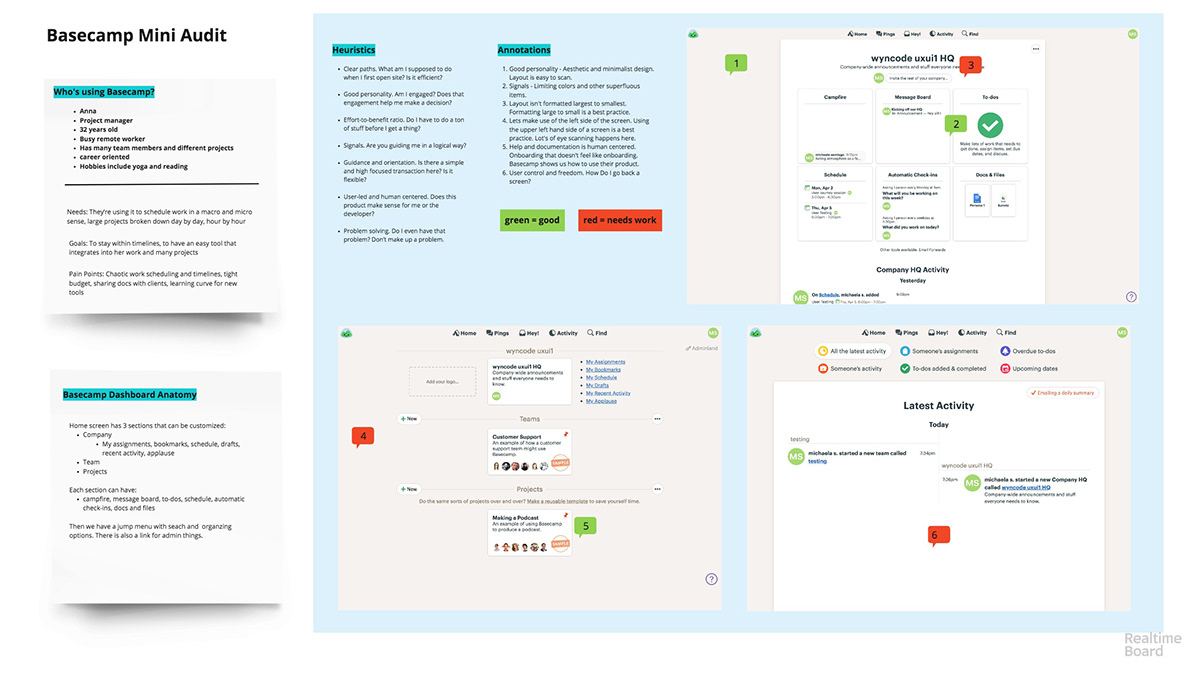
A truly effective Ux Report Template isn't just a spreadsheet. It's a strategic document built around specific metrics and clearly defined goals. Here's a breakdown of the essential components:
- Executive Summary: This is the first section and should provide a high-level overview of the report's findings. It should highlight key successes, challenges, and recommendations. It's designed to quickly capture the reader's attention and demonstrate the value of the report.
- Website Traffic Analysis: This section focuses on how people are finding your website. Key metrics include:
- Overall Traffic: Total number of visits to your site.
- Traffic Sources: Breakdown of traffic by source (organic search, paid advertising, social media, referral, direct, etc.). Understanding your traffic sources is critical for identifying which channels are most effective.
- Bounce Rate: Percentage of visitors who leave your site after viewing only one page. A high bounce rate can indicate issues with content relevance or user experience.
- Pages per Session: Average number of pages viewed per visit. This indicates engagement with your content.
- Average Session Duration: The average amount of time visitors spend on your site. Longer sessions generally suggest higher engagement.
- Conversion Rate Analysis: This section examines how visitors are converting into leads or customers.
- Conversion Rate: Percentage of visitors who complete a desired action (e.g., purchase, sign-up, form submission).
- Goal Completions: Number of times specific goals are achieved (e.g., form submissions, product purchases).
- Lead Generation: Number of leads generated through different channels.
- Keyword Performance: This section analyzes the performance of your target keywords.
- Organic Search Rankings: Tracking your website's position in search engine results pages (SERPs) for key terms.
- Keyword Volume: The number of times your keywords are searched.
- Click-Through Rate (CTR): Percentage of users who click on your website from search results.
- Social Media Performance: If relevant to your business, this section tracks performance on social media platforms.
- Reach: The number of unique users who have seen your content.
- Engagement: Likes, shares, comments, and other interactions with your content.
- Follower Growth: Increase in your social media following.
- Marketing Channel Performance: A comparative analysis of the performance of different marketing channels. This could include:
- Google Ads: Cost per click (CPC), conversion rate, return on ad spend (ROAS).
- Email Marketing: Open rates, click-through rates, conversion rates.
- Social Media Ads: Impressions, clicks, conversions, cost per acquisition (CPA).
Utilizing Ux Report Template for Data-Driven Decisions
The true power of an Ux Report Template lies in its ability to inform strategic decisions. Here are some examples of how to use it:

- SEO Optimization: Identify keywords with low rankings and focus on optimizing your content for those terms.
- Channel Allocation: Adjust your marketing budget and resources based on the performance of different channels. If one channel is consistently delivering better results, invest more in it.
- Content Strategy: Analyze which content is resonating with your audience and create more of that type of content. Identify gaps in your content offering.
- Website Improvements: Use data to identify areas where your website can be improved to enhance user experience and conversion rates.
- A/B Testing: Use data from your Ux Report to inform A/B testing experiments, optimizing elements like headlines, calls to action, and landing pages.
The Future of Ux Report Templates: Automation and Advanced Analytics
Modern Ux Report Templates are evolving beyond simple spreadsheets. We're seeing the integration of automation, artificial intelligence (AI), and advanced analytics. AI-powered tools can automatically generate reports, identify trends, and provide insights that would be impossible to uncover manually. Furthermore, integrating data from various sources – including CRM, e-commerce platforms, and marketing automation tools – provides a more holistic view of your online performance. Predictive analytics can forecast future trends and help you proactively adjust your strategies. The goal is to move beyond simply reporting data to understanding it and using that understanding to drive continuous improvement.
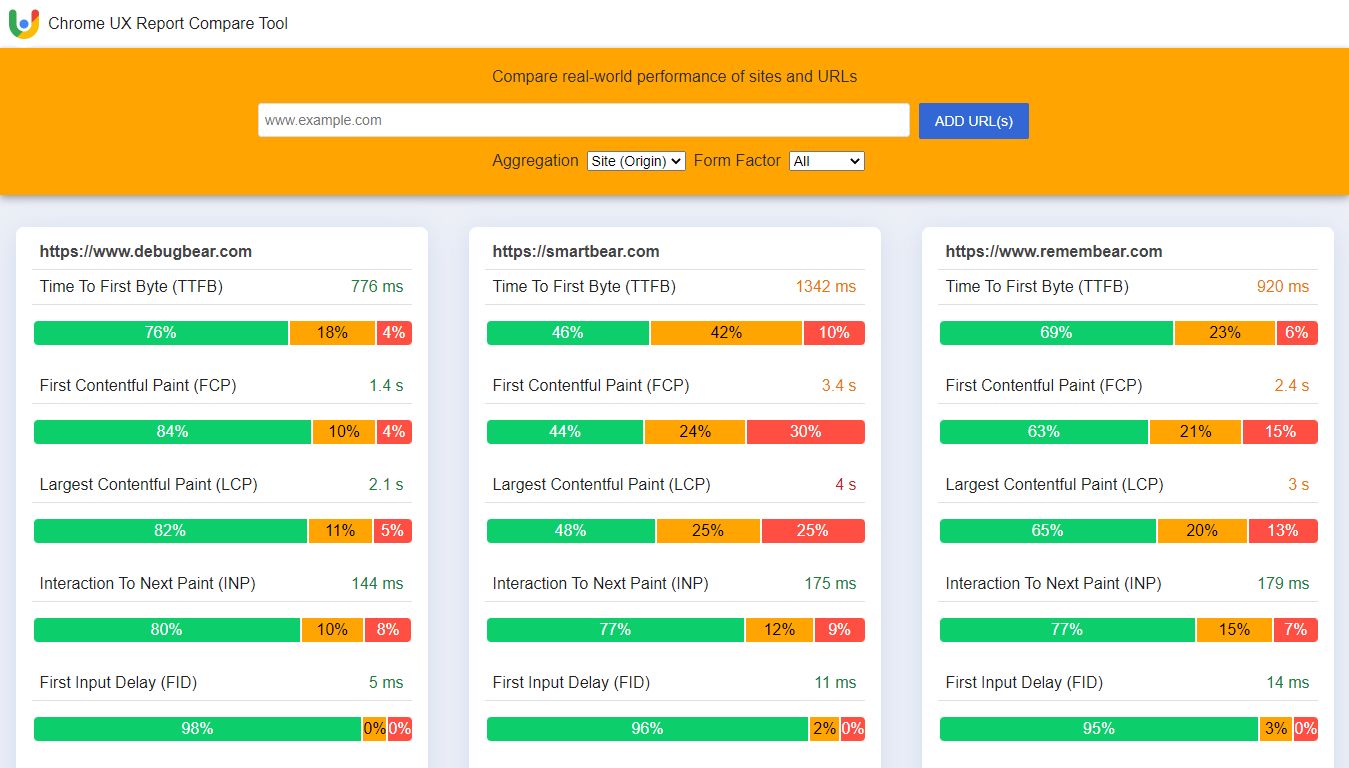
Conclusion: Leveraging Your Ux Report Template for Sustainable Growth
A well-designed and consistently utilized Ux Report Template is an invaluable asset for any business striving for sustainable growth. It's a dynamic tool that requires ongoing monitoring, analysis, and refinement. By focusing on the key metrics outlined above and leveraging the power of data, you can transform raw data into actionable insights that propel your online presence to new heights. Don't underestimate the importance of this process – it's an investment in your future success. Ultimately, a robust Ux Report Template empowers you to make informed decisions, optimize your online strategy, and achieve your business goals. Remember to regularly review and update your template to ensure it remains relevant and effective. Investing time in building and maintaining a strong Ux Report Template is an investment that will undoubtedly pay dividends.
0 Response to "Ux Report Template"
Posting Komentar