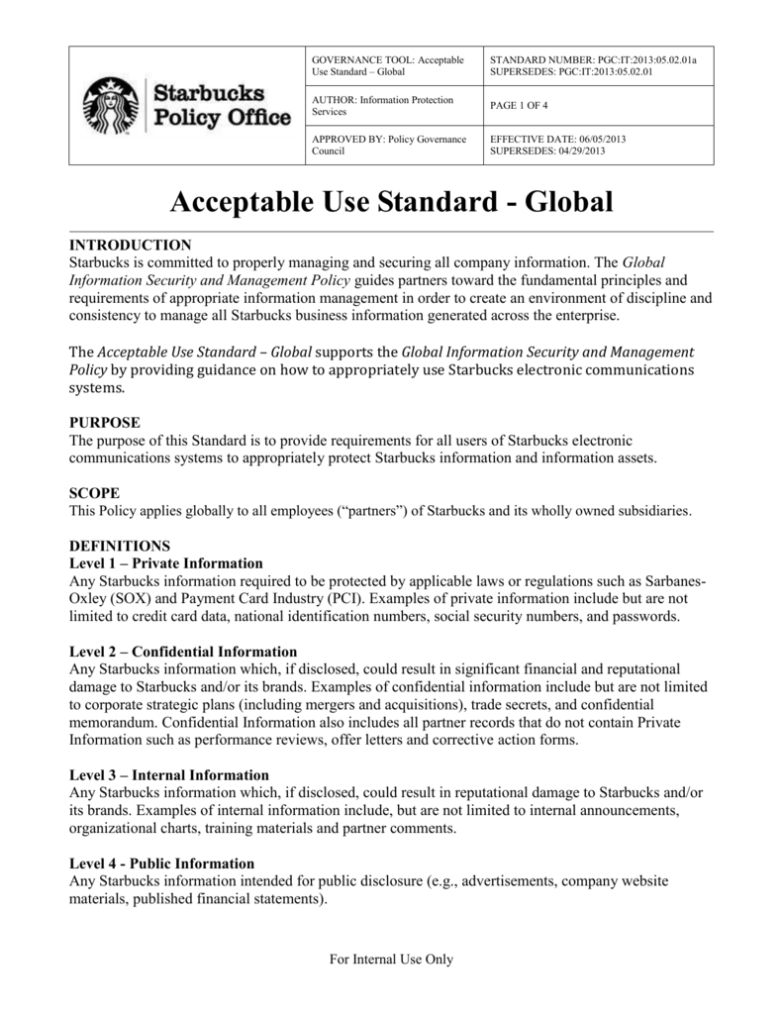
The rise of public Wi-Fi has become increasingly prevalent, offering convenient access to the internet for travelers, commuters, and anyone on the go. However, this widespread availability also presents challenges regarding data security and usage. A robust and clearly defined Acceptable Use Policy (AUP) is crucial for protecting both the business and its customers. This article provides a comprehensive guide to creating and implementing an effective Public Wifi Acceptable Use Policy Template. Understanding and adhering to these guidelines is paramount for maintaining a secure and responsible environment. Public Wifi Acceptable Use Policy Template – a well-crafted policy demonstrates your commitment to data protection and can significantly reduce the risk of legal issues and reputational damage. Let's delve into the key elements of a successful AUP.
Understanding the Importance of a Public Wifi Policy
The proliferation of public Wi-Fi networks offers undeniable benefits – readily available internet access, often free of charge. However, these networks are frequently vulnerable to security threats. Hackers can exploit weaknesses in the infrastructure to intercept data, steal credentials, and even launch attacks on connected devices. A poorly defined Acceptable Use Policy can leave businesses and individuals exposed to significant risks. Furthermore, a lack of clarity can lead to disputes and legal challenges regarding data privacy and security. A proactive approach to policy creation is an investment in protecting valuable assets and maintaining a positive brand image. Without a clear policy, you risk being held liable for data breaches and potential legal repercussions. The consequences of inadequate protection can be substantial, impacting both financial stability and customer trust.
Core Components of a Public Wifi Acceptable Use Policy
A comprehensive Public Wifi Acceptable Use Policy Template should address several key areas. It's important to clearly define acceptable and unacceptable uses of the network, outlining consequences for violations. Here's a breakdown of essential components:

- Network Access & Permissions: Specify which networks are permitted to use the public Wi-Fi. Clearly state which devices are authorized to connect.
- Data Security: Outline the measures taken to protect data transmitted over the network. This includes encryption protocols (WPA2/WPA3), password protection, and restrictions on file sharing.
- Device Usage: Define acceptable device usage, such as prohibiting the use of personal devices for accessing sensitive information (banking, email, etc.).
- Malware & Viruses: Establish a policy against downloading or installing unauthorized software or malware. This includes prohibiting the use of unapproved applications.
- Social Media & Online Activity: Address the use of public Wi-Fi for social media or other online activities. Consider restrictions on posting sensitive information.
- Guest Network Access: If a guest network is available, define its usage and limitations. Ensure guests understand they are not authorized to access company resources.
- Reporting Violations: Provide a clear process for reporting suspected violations of the policy. Include contact information for a designated team or individual.
Detailed Sections of a Public Wifi Acceptable Use Policy Template
Let's examine some of the key sections that should be included within a robust Public Wifi Acceptable Use Policy Template:
1. Network Access & Permissions
This section is the cornerstone of your policy. It should detail exactly which networks are permitted to use the public Wi-Fi. Clearly state which devices are authorized to connect. For example: "Employees are authorized to connect to the [Network Name] network. Guests are permitted to connect, but must adhere to the following guidelines." It's crucial to avoid ambiguity and ensure clarity. Consider implementing a system where employees can request access to specific networks.
2. Data Security Measures
This section is critical for protecting sensitive information. It should detail the security measures in place to safeguard data transmitted over the network. Specifically:

- Encryption: "All data transmitted over the [Network Name] network must be encrypted using WPA2 or WPA3 encryption. This ensures that data is protected from eavesdropping."
- Password Protection: "Users must create strong passwords and change them regularly. Password protection is enforced on all connected devices."
- Firewall: "A firewall is in place to protect the network from unauthorized access."
- VPN (Optional): "Consider implementing a Virtual Private Network (VPN) for enhanced security, especially when accessing sensitive data."
3. Device Usage Guidelines
This section addresses acceptable device usage and potential risks. It's important to outline restrictions on personal devices used for accessing company resources. For example: "Personal devices used for accessing company data must be compliant with the company's IT security policies. Unapproved applications are prohibited."
4. Malware & Viruses
This section is vital for mitigating the risk of malware infections. It should clearly state that downloading or installing unauthorized software is strictly prohibited. "The use of unapproved applications is strictly prohibited. Users are responsible for ensuring the security of their devices and software."
5. Social Media & Online Activity
This section addresses the use of public Wi-Fi for social media or other online activities. It's important to establish clear guidelines regarding posting sensitive information. "The use of public Wi-Fi for social media or other online activities is restricted. Users are prohibited from posting confidential information or engaging in inappropriate behavior."
6. Guest Network Access
If a guest network is available, this section should define its usage and limitations. It's important to clearly state that guests are not authorized to access company resources. "Guest network access is permitted, but guests must adhere to the same security guidelines as authorized users. They are not authorized to access company servers or data."
7. Reporting Violations
This section outlines the process for reporting suspected violations of the policy. It should include contact information for a designated team or individual. "Any suspected violation of this Acceptable Use Policy should be reported to [Contact Person/Department] at [Email Address/Phone Number]. We are committed to maintaining a secure and responsible network environment."
Conclusion
Implementing a robust Public Wifi Acceptable Use Policy Template is a critical step in protecting your business and its customers. By clearly defining acceptable and unacceptable uses of the network, and by establishing robust security measures, you can mitigate risks, maintain a positive brand image, and ensure compliance with data privacy regulations. Remember that a well-defined policy is not a static document; it should be reviewed and updated regularly to reflect evolving security threats and business needs. Continuous monitoring and enforcement are essential for maintaining a secure and responsible public Wi-Fi environment. Ultimately, prioritizing security and data protection is an investment in the long-term success of your organization.
Conclusion
The creation and implementation of a comprehensive Public Wifi Acceptable Use Policy Template are vital for safeguarding data, maintaining a secure environment, and protecting your business's reputation. By meticulously addressing the key components outlined above – network access permissions, data security measures, device usage guidelines, malware & virus policies, social media restrictions, guest network access, and reporting mechanisms – you can establish a framework that effectively controls and mitigates risks associated with public Wi-Fi networks. Regular review and adaptation of the policy are also crucial to remain ahead of evolving security threats and ensure continued compliance. Investing in a proactive approach to policy creation is an investment in the security and stability of your organization.
0 Response to "Public Wifi Acceptable Use Policy Template"
Posting Komentar