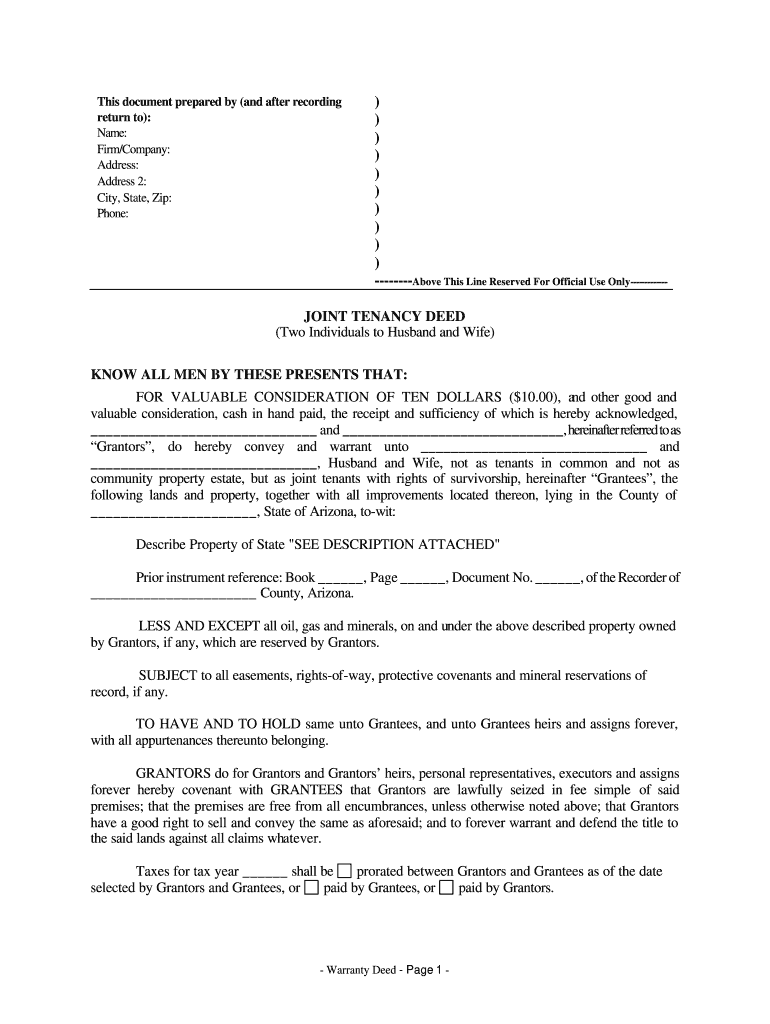
Joint property ownership agreements are increasingly common, offering a streamlined and legally sound way for individuals to share the benefits and responsibilities of a property. They’re more than just a simple transfer of title; they’re a carefully crafted contract outlining the rights, obligations, and expectations of all parties involved. This comprehensive template provides a solid foundation for establishing a clear and mutually beneficial agreement for joint property ownership. Understanding the nuances of these agreements is crucial for ensuring a smooth and legally protected partnership. This template aims to be adaptable to various property types and circumstances, but it’s essential to consult with legal counsel to tailor it precisely to your specific needs. The core principles of a successful joint property ownership agreement revolve around transparency, clear communication, and a shared commitment to maintaining the property’s value and well-being. Let’s delve into the key components and considerations involved in creating a robust agreement.
Understanding the Basics of Joint Property Ownership
Before diving into the specifics of the agreement, it’s vital to grasp the fundamental concept of joint property ownership. It’s a situation where two or more individuals jointly own a property, sharing in its benefits and liabilities. This arrangement can be beneficial for various reasons – shared investment, increased appreciation, or simply a desire to build a partnership. However, it also necessitates a clear understanding of responsibilities and potential conflicts. The agreement should explicitly define how decisions are made regarding the property, including maintenance, repairs, and improvements. Furthermore, it’s important to consider the tax implications of joint ownership, as these can vary significantly depending on local laws and regulations. A well-drafted agreement will address these crucial aspects proactively.
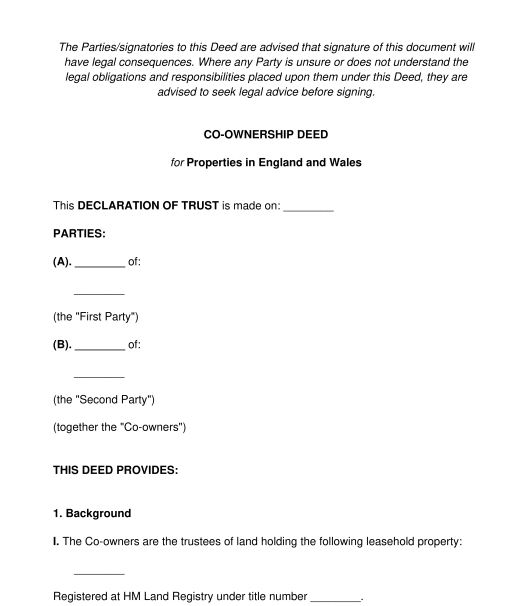
Key Components of a Joint Property Ownership Agreement Template
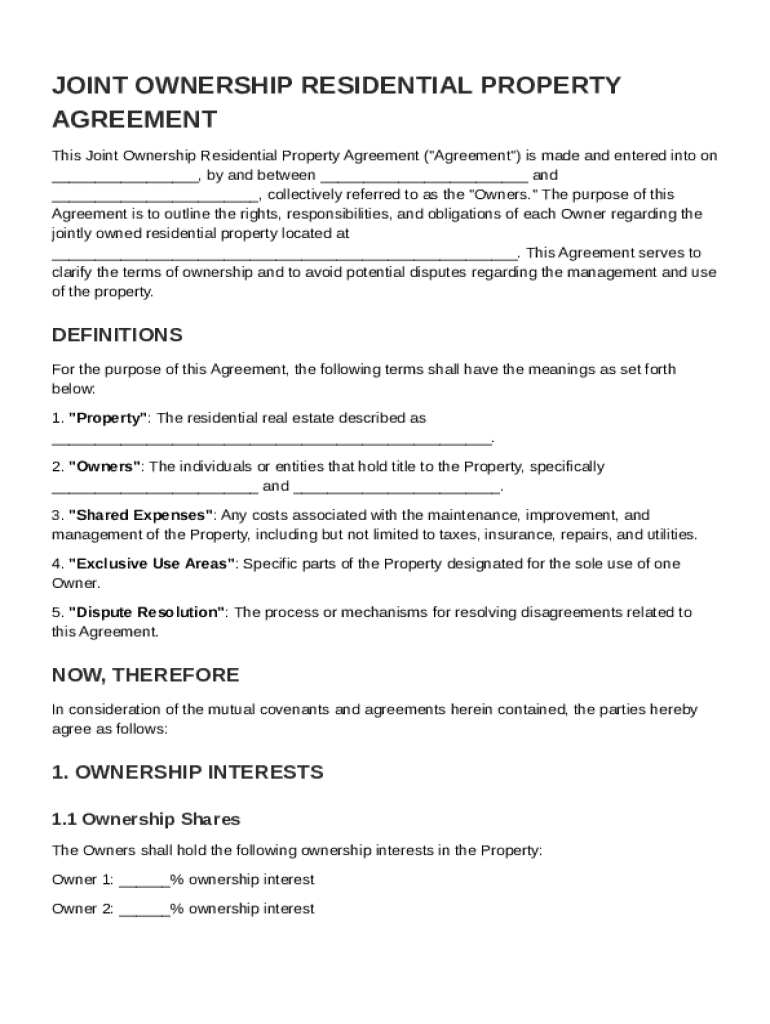
A comprehensive joint property ownership agreement typically includes several key sections. These sections outline the rights, responsibilities, and financial arrangements of each party involved. Here’s a breakdown of the essential elements:
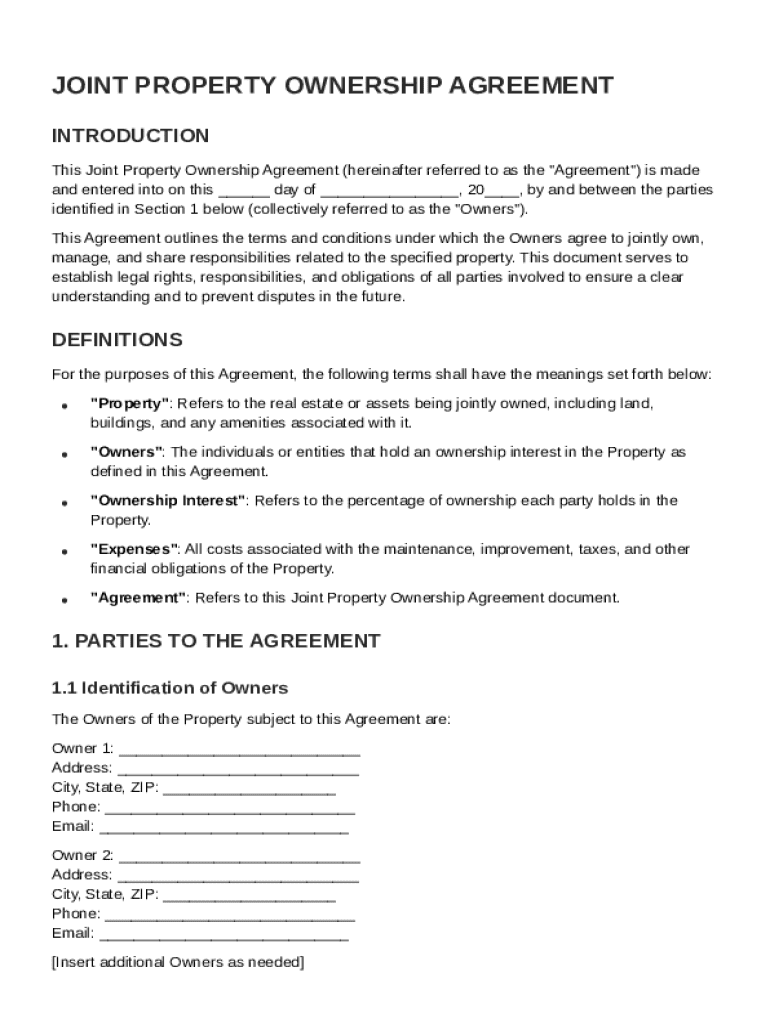
1. Property Description and Ownership
This section clearly defines the property being owned, including its legal description (e.g., street address, parcel number), and the ownership structure. It specifies who owns what percentage of the property. It’s crucial to accurately record the property’s details in the public records to ensure clarity and avoid disputes. The agreement should also address any easements or rights-of-way that may affect the property.

2. Contributions and Financial Arrangements
This section details how each party will contribute to the upkeep and maintenance of the property. This might include contributions towards property taxes, insurance, repairs, and other expenses. It’s important to establish a clear process for allocating these costs, potentially through a shared expense account or a defined schedule. The agreement should also address how profits generated from the property’s use will be distributed among the owners. Consider including provisions for a reserve fund for future repairs or improvements.
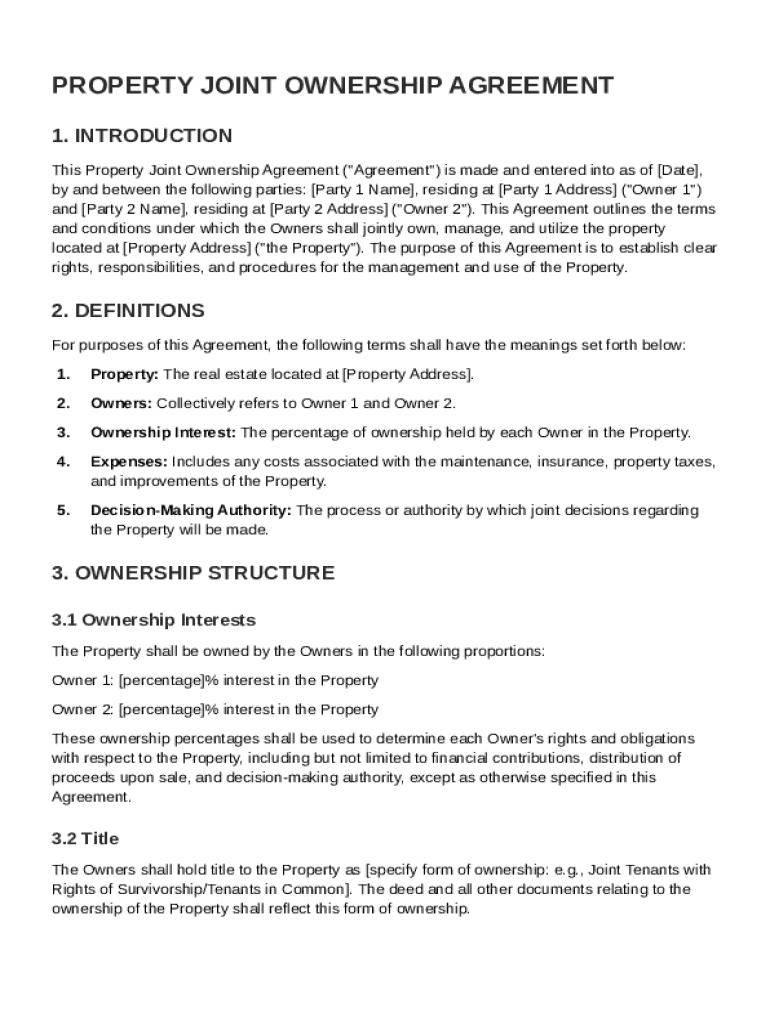
3. Decision-Making Process
This section outlines how decisions regarding the property will be made. It’s often beneficial to establish a voting process, where owners can collectively agree on significant decisions. The agreement should specify how decisions will be made, and how disagreements will be resolved. A mediation process can be incorporated to facilitate amicable resolutions of disputes. Clearly defining roles and responsibilities for making decisions is paramount.
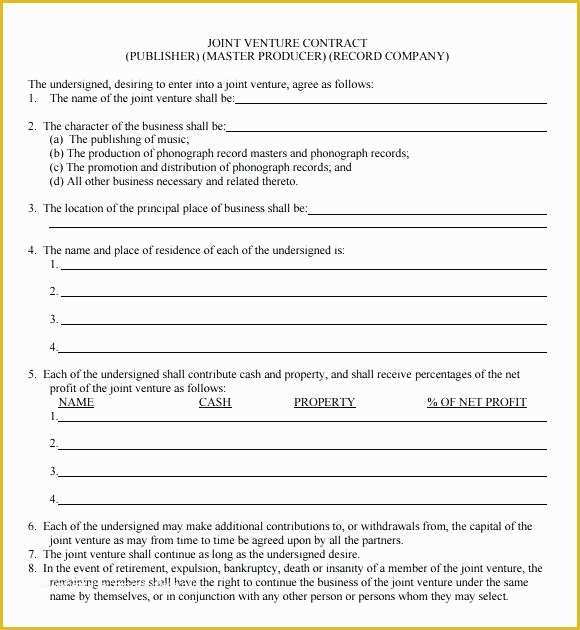
4. Use and Occupancy
This section clarifies how the property can be used and occupied. It should address any restrictions on use, such as limitations on renting out the property or using it for commercial purposes. It’s important to define the responsibilities of each owner regarding the property’s use and occupancy. This section should also address any provisions related to the property’s use for specific purposes, such as a home office or a rental property.
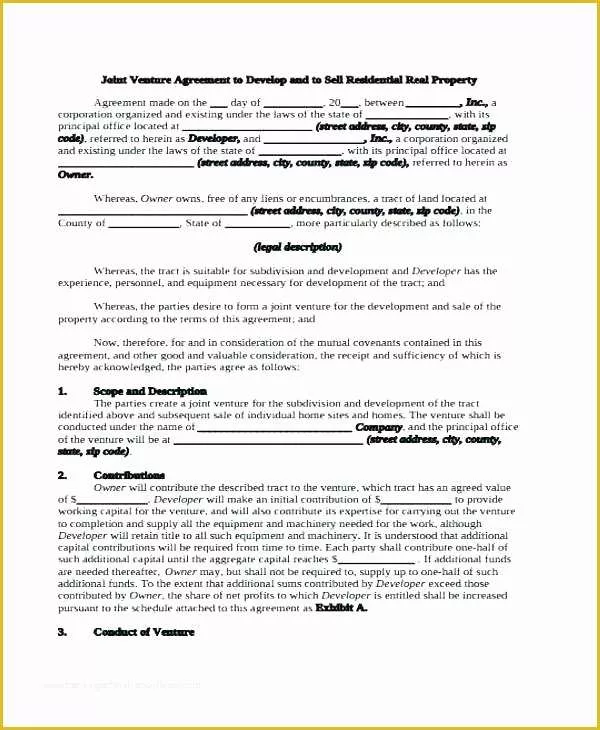
5. Dispute Resolution
This section outlines the process for resolving disputes that may arise between the owners. It might include mediation, arbitration, or litigation. Clearly stating the process ensures that disputes are resolved fairly and efficiently. It’s advisable to include a clause specifying the governing law and jurisdiction for resolving disputes.

Specific Considerations for Joint Property Ownership Agreements
Beyond the general components, certain considerations are particularly important when drafting a joint property ownership agreement:
1. Liability and Insurance
Clearly define who is responsible for what in the event of damage or injury to the property. Consider including provisions for joint and individual liability insurance to protect against potential claims. The agreement should specify the types of insurance coverage that each owner will obtain.
2. Property Taxes and Expenses
Establish a clear process for allocating property taxes and other expenses. Consider including a mechanism for sharing expenses, such as a shared expense account or a defined schedule. This ensures that all owners are contributing fairly to the cost of maintaining the property.

3. Maintenance and Repairs
Define the responsibilities for maintaining and repairing the property. This might include a shared maintenance schedule or a designated maintenance fund. It’s important to address how repairs will be handled, including who is responsible for making repairs and who is responsible for paying for them.

4. Capital Improvements
Address any capital improvements that may be necessary to enhance the property’s value or functionality. The agreement should specify how these improvements will be funded and who will be responsible for making them.
The Role of Legal Counsel
While this template provides a solid framework, it’s crucial to remember that it’s not a substitute for legal advice. It’s highly recommended to consult with an attorney specializing in real estate law to ensure that the agreement is tailored to your specific circumstances and complies with all applicable laws and regulations. An attorney can help you navigate complex legal issues and ensure that the agreement is legally sound and protects your interests. They can also advise on the best way to structure the agreement to minimize potential risks.
Conclusion
Joint property ownership agreements are a powerful tool for fostering partnership and shared investment. By carefully considering the key components outlined in this template and seeking legal counsel, you can create a robust agreement that protects your interests and ensures a smooth and successful joint ownership experience. Remember that clear communication, transparency, and a shared commitment to the property’s well-being are essential for long-term success. Ultimately, a well-drafted agreement will not only protect your assets but also strengthen the bond between the owners. Investing in a professional legal consultation is an investment in the future of your joint property ownership arrangement.
0 Response to "Joint Property Ownership Agreement Template"
Posting Komentar